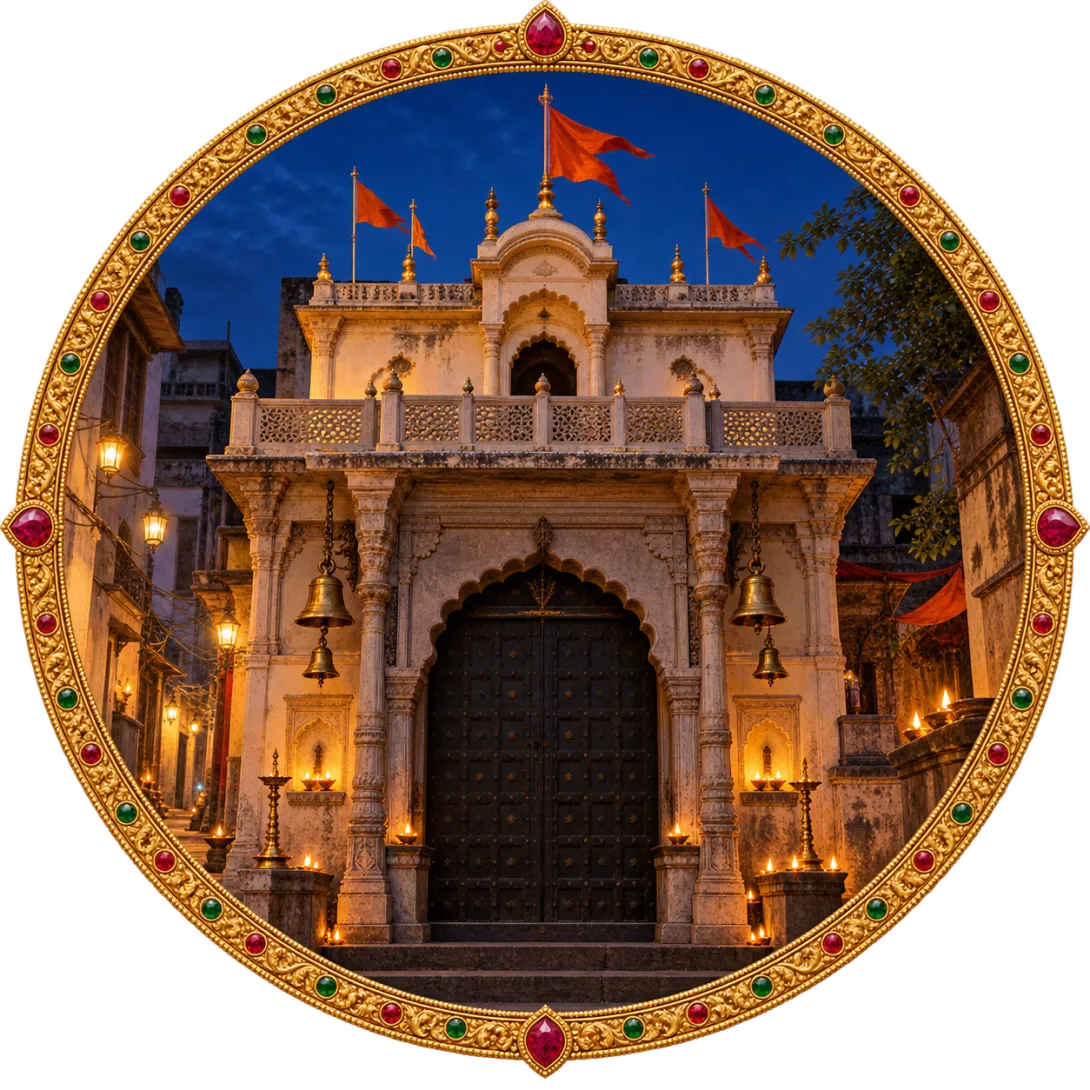
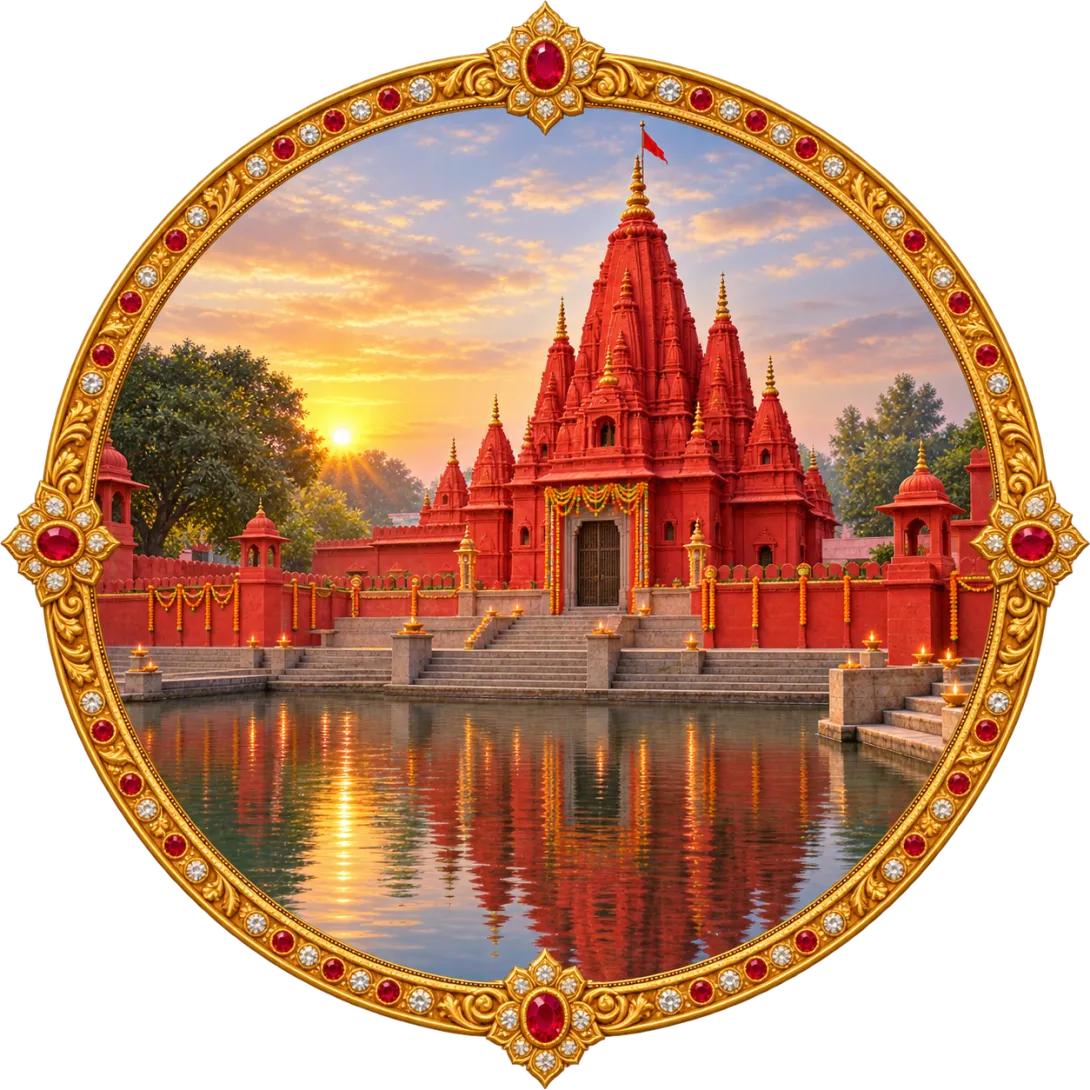
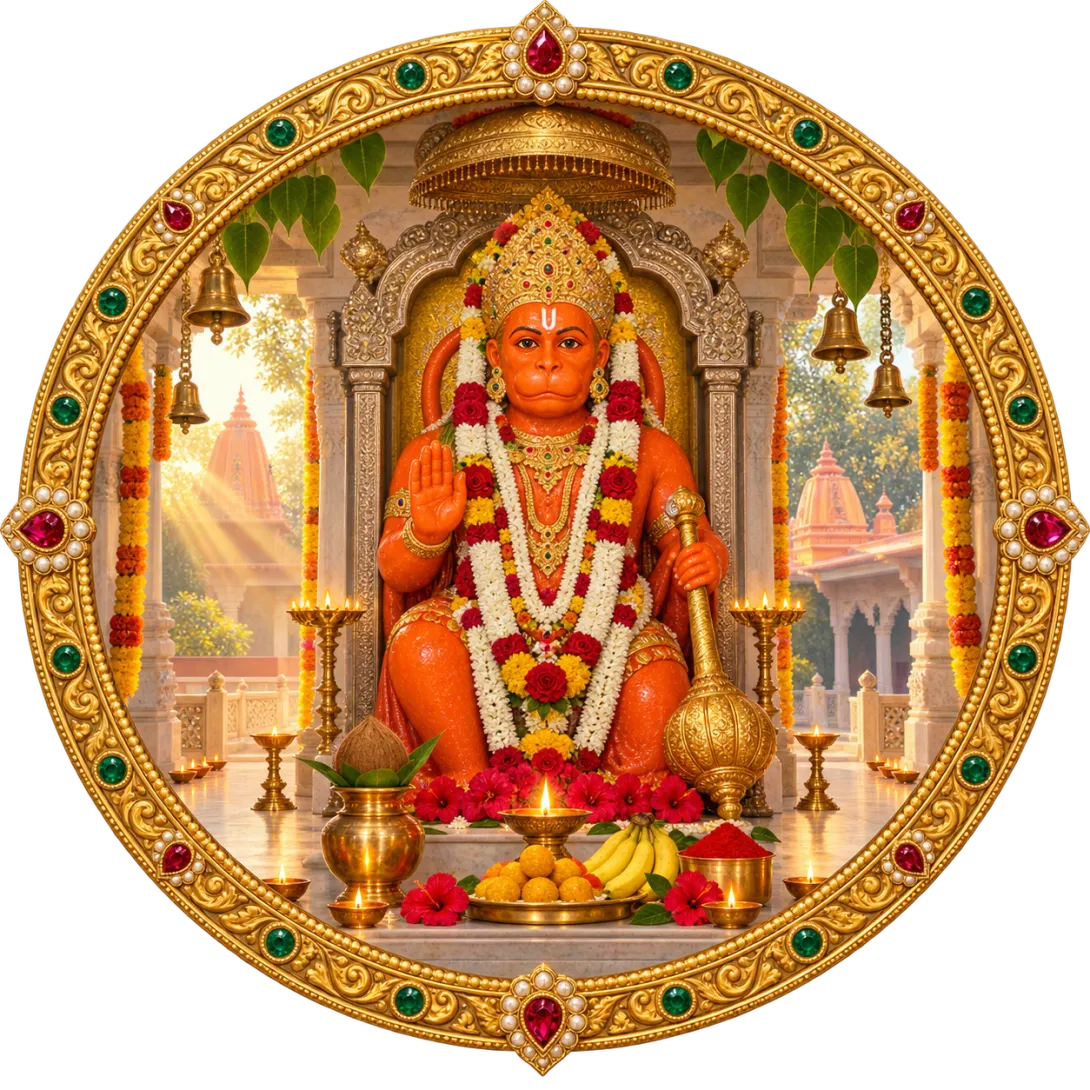
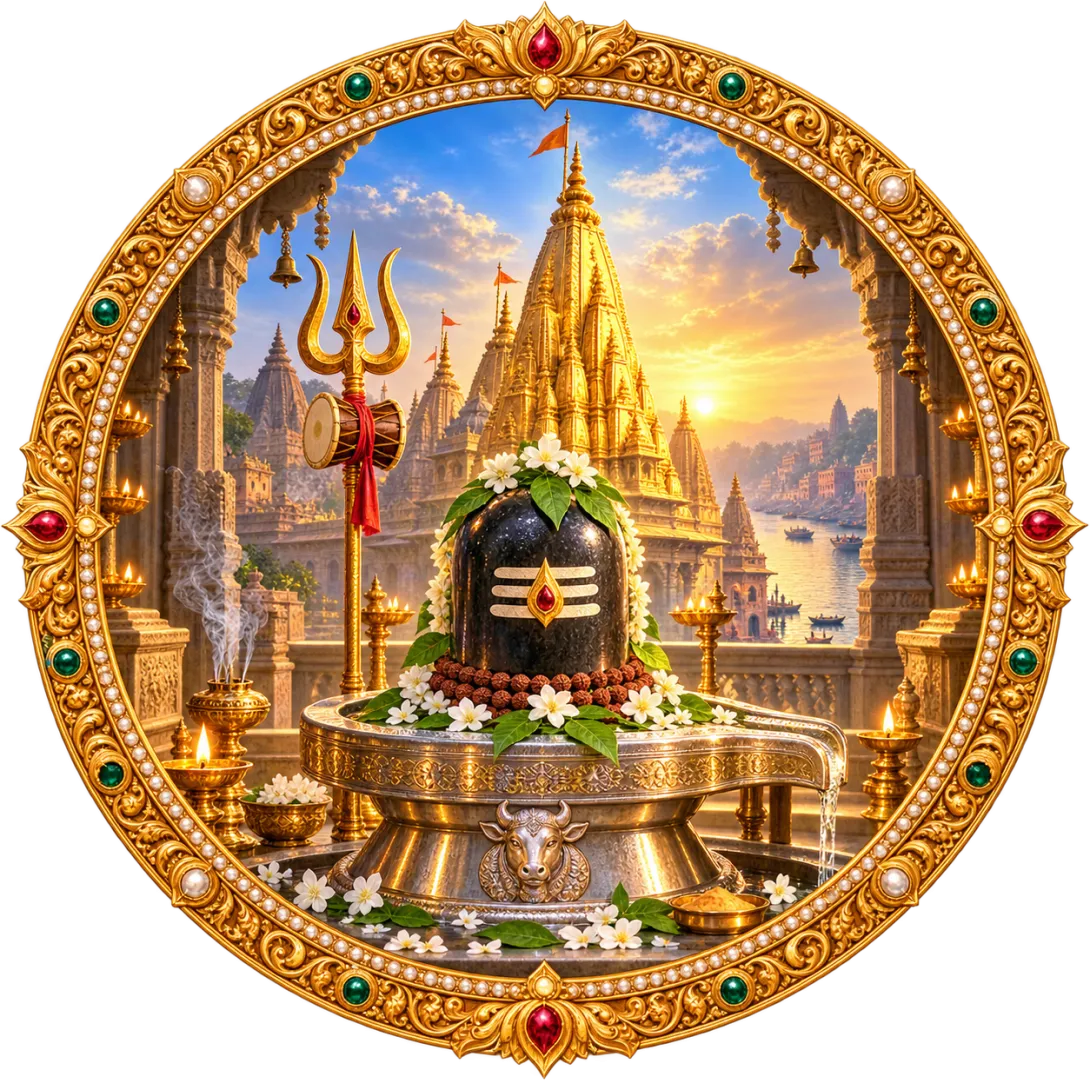

Varanasi

Cover Image
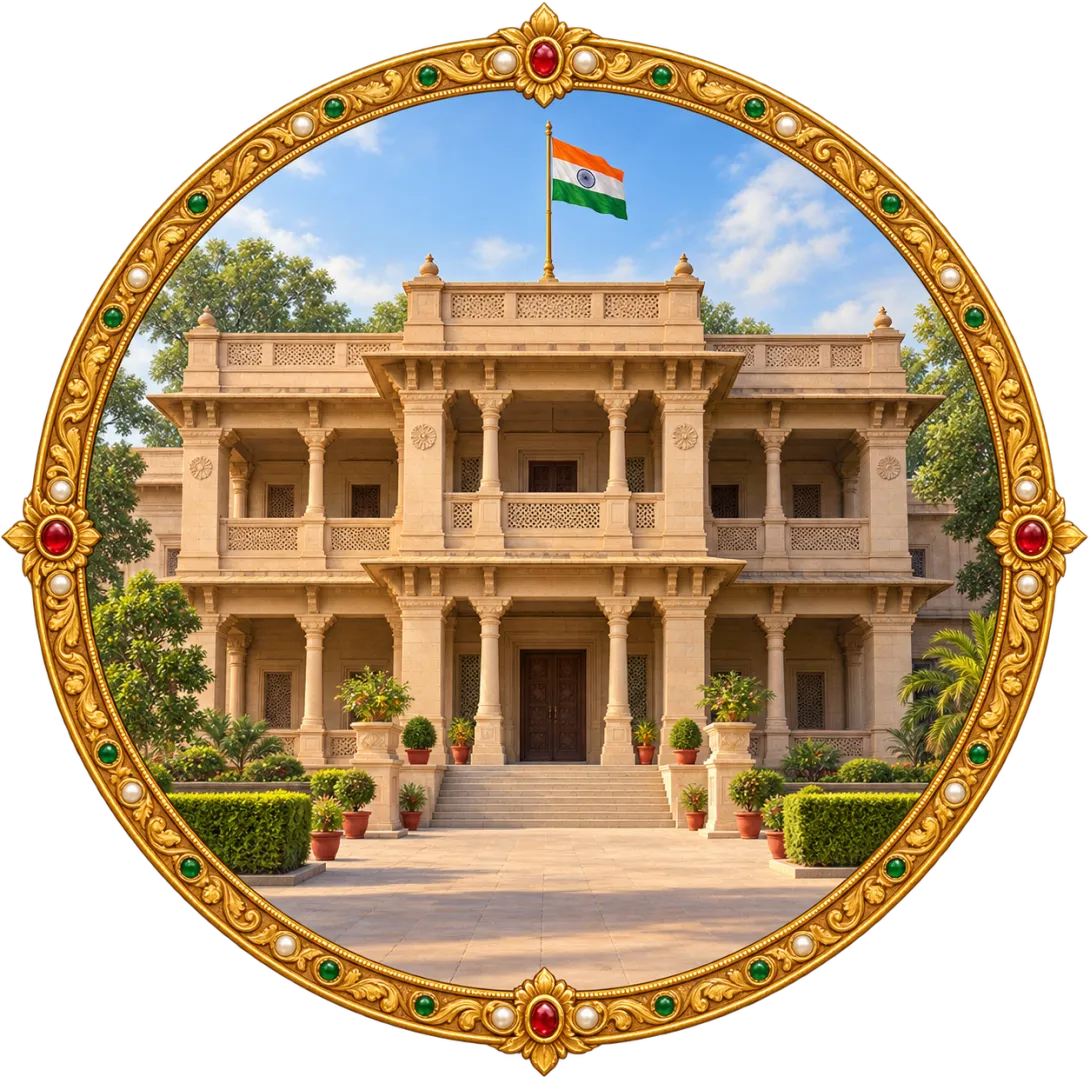
Bharat Mata Temple, Varanasi

Bharat Mata Temple, Varanasi

Summary

Visit Bharat Mata Temple in Varanasi, a unique temple dedicated to the spirit of Mother India. Unlike traditional temples that house idols of gods and goddesses, Bharat Mata Temple contains a magnificent three-dimensional marble map of undivided India.

Located inside the Mahatma Gandhi Kashi Vidyapith campus, the temple represents patriotism, unity, cultural heritage, sacrifice, and respect for the nation. It is one of the most distinctive places to visit in Varanasi.

About Bharat Mata Temple

Bharat Mata Temple is situated on the campus of Mahatma Gandhi Kashi Vidyapith in Varanasi, Uttar Pradesh. The temple is dedicated to Bharat Mata, or Mother India.

The most important feature of the temple is a large relief map of undivided India carved from marble. The map represents mountains, rivers, plains, plateaus, oceans, and other geographical features of the Indian subcontinent.

The temple does not follow the traditional design of a shrine dedicated to a particular deity. Instead, it presents the nation itself as an object of respect and devotion. People from different religions, communities, and backgrounds visit this temple to experience a feeling of patriotism and national unity.

Description

Bharat Mata Temple, Varanasi

Bharat Mata Temple is one of the most unusual and historically important temples in Varanasi. It was built before India gained independence and reflects the spirit of the freedom movement.

The temple provides a unique experience because visitors do not come only for religious worship. They also come to understand India’s geographical diversity, cultural heritage, and national history.

The marble map inside the temple represents the idea of India as one united land. It includes the natural features of the Indian subcontinent and reminds visitors of the deep cultural connection shared by different regions.

History of Bharat Mata Temple

Bharat Mata Temple was built in 1936 by Babu Shiv Prasad Gupta, a freedom fighter, philanthropist, and nationalist leader. He wanted to create a temple where the country itself could be respected and honoured.

The temple was inaugurated by Mahatma Gandhi on 25 October 1936. Its purpose was to promote national unity, equality, patriotism, peace, and harmony among people of different religions and communities.

The temple was created during the freedom struggle, when the idea of Bharat Mata was becoming a powerful symbol of India’s independence and national identity.

Since its inauguration, the temple has remained an important historical and cultural landmark of Varanasi.

Significance of Bharat Mata Temple

Bharat Mata Temple has great national, cultural, and historical importance. It represents the idea that India is not only a geographical region but also a shared civilisation with a rich heritage.

The temple symbolises:

  • National unity

  • Patriotism

  • Freedom and sacrifice

  • Cultural diversity

  • Peace and harmony

  • Respect for the country

  • Unity in diversity

  • Love for the motherland

The temple also reflects the contributions of freedom fighters who worked for India’s independence and social unity.

Marble Map of Undivided India

The main attraction of Bharat Mata Temple is the large marble relief map of undivided India. The map is carved in three dimensions and shows the natural structure of the Indian subcontinent.

It represents:

  • Mountain ranges

  • Rivers

  • Plains

  • Plateaus

  • Oceans

  • Lakes

  • Valleys

  • Natural borders

  • Important geographical regions

The map was designed to provide a detailed representation of the land and its natural features. Visitors can view the map from different angles and understand the vast geographical diversity of India.

The map is not merely a work of art. It represents the unity, strength, and shared heritage of the Indian subcontinent.

Architecture of Bharat Mata Temple

Bharat Mata Temple has a simple and elegant stone structure. Its design is different from the traditional temples of Varanasi because the main focus is on the marble map rather than a conventional idol.

The temple hall houses the large relief map at its centre. The building provides enough space for visitors to walk around the map and observe its details.

The temple’s design is peaceful and open, encouraging visitors to reflect on India’s history, geography, culture, and national identity.

The surrounding campus adds to the calm atmosphere and makes the temple a suitable place for quiet observation and reflection.

Bharat Mata Temple Timings

The temple remains open for visitors throughout the week. Timings may change during national festivals, public holidays, and special occasions.

Daily Temple Timings

Activity

Timings

Morning Visit

09:30 AM – 01:00 PM

Afternoon Closure

01:00 PM – 03:00 PM

Evening Visit

03:00 PM – 06:00 PM

Visitors should confirm the timings before visiting, especially during national festivals and university holidays.

Puja and Activities at Bharat Mata Temple

Bharat Mata Temple is different from conventional temples because the main attraction is the marble map of India. Visitors generally offer flowers, light diyas, and pay respect to the nation.

Common activities at the temple include:

  • Offering flowers

  • Lighting diyas

  • Reciting patriotic prayers

  • Singing Vande Mataram

  • Observing the marble map

  • Paying respect to freedom fighters

  • Learning about India’s geography and heritage

The temple is a place for reflection, national pride, and remembrance of the sacrifices made during India’s freedom struggle.

National Festivals Celebrated at Bharat Mata Temple

Important national festivals are celebrated at Bharat Mata Temple with patriotic enthusiasm and respect.

Major occasions include:

  • Republic Day

  • Independence Day

  • Gandhi Jayanti

  • Constitution Day

  • National Unity Day

  • Vasant Panchami

  • Special cultural programmes

On these occasions, the temple may be decorated with flowers and the national flag. Patriotic songs, cultural programmes, speeches, and special gatherings may also be organised.

Bharat Mata Temple and Freedom Movement

Bharat Mata Temple was built during the freedom movement and reflects the nationalist spirit of that period. The temple was intended to bring people together through a shared feeling of love and responsibility towards the country.

The temple reminds visitors that India’s independence was achieved through the sacrifices, struggles, and dedication of countless freedom fighters.

Its message of unity and equality continues to remain relevant even today.

Best Time to Visit Bharat Mata Temple

The best time to visit Bharat Mata Temple is during the morning or late afternoon. These hours are generally comfortable for exploring the temple and observing the marble map.

The winter months, from October to February, are suitable for visiting Varanasi because of the pleasant weather.

Independence Day, Republic Day, and Gandhi Jayanti are significant occasions to visit the temple, as special patriotic programmes may be organised. However, the temple and surrounding areas may be busier during these days.

Nearby Temples and Places to Visit

Several important religious, historical, and cultural places are located near Bharat Mata Temple. Visitors can include these places in their Varanasi itinerary:

  • Kashi Vishwanath Temple

  • Annapurna Devi Temple

  • Kaal Bhairav Temple

  • Sankat Mochan Hanuman Temple

  • Durga Kund Temple

  • Tulsi Manas Temple

  • Assi Ghat

  • Dashashwamedh Ghat

  • Banaras Hindu University

  • Bharat Kala Bhavan

  • Sarnath

These places allow visitors to explore the spiritual, cultural, educational, and historical heritage of Varanasi.

How to Reach Bharat Mata Temple

Bharat Mata Temple is located inside the Mahatma Gandhi Kashi Vidyapith campus in Varanasi. It can be reached by auto-rickshaw, e-rickshaw, taxi, bus, or private vehicle.

By Air

The nearest airport is Lal Bahadur Shastri International Airport, Varanasi. It is approximately 25–30 kilometres from the temple. Visitors can hire a taxi, cab, or private vehicle from the airport.

By Train

Varanasi Junction, also known as Cantt Railway Station, is the nearest major railway station. The temple is located a short distance from the railway station and can be reached by auto-rickshaw, e-rickshaw, taxi, or cab.

Kashi Railway Station and Varanasi City Railway Station are also convenient options for visitors.

By Road

Varanasi is well connected to cities such as Prayagraj, Lucknow, Gorakhpur, Patna, Delhi, and Kolkata by road.

Local buses, auto-rickshaws, e-rickshaws, taxis, and app-based cabs are available from different parts of the city. Visitors can travel towards the Mahatma Gandhi Kashi Vidyapith campus to reach the temple.

Important Tips for Visitors

Visitors should maintain cleanliness and discipline inside the temple and university campus. People should follow the instructions of the temple staff and campus authorities.

It is advisable to wear comfortable clothes and carry only essential belongings. Visitors should maintain silence while observing the marble map and should not touch or climb on any part of the display.

Photography may be restricted in certain areas, so visitors should follow the applicable instructions. National festivals can attract larger crowds, so visitors should plan their visit accordingly.

Conclusion

Bharat Mata Temple is one of the most unique and meaningful places to visit in Varanasi. Dedicated to Mother India, the temple represents patriotism, national unity, cultural diversity, and the sacrifices made during India’s freedom struggle.

Its magnificent marble map of undivided India, peaceful architecture, historical background, and national significance make it different from traditional temples.

A visit to Bharat Mata Temple offers visitors an opportunity to understand India’s geographical richness, respect its cultural heritage, and feel a deeper connection with the nation. The temple is not only a place of worship but also a symbol of unity, peace, and love for the motherland.

Cover Image
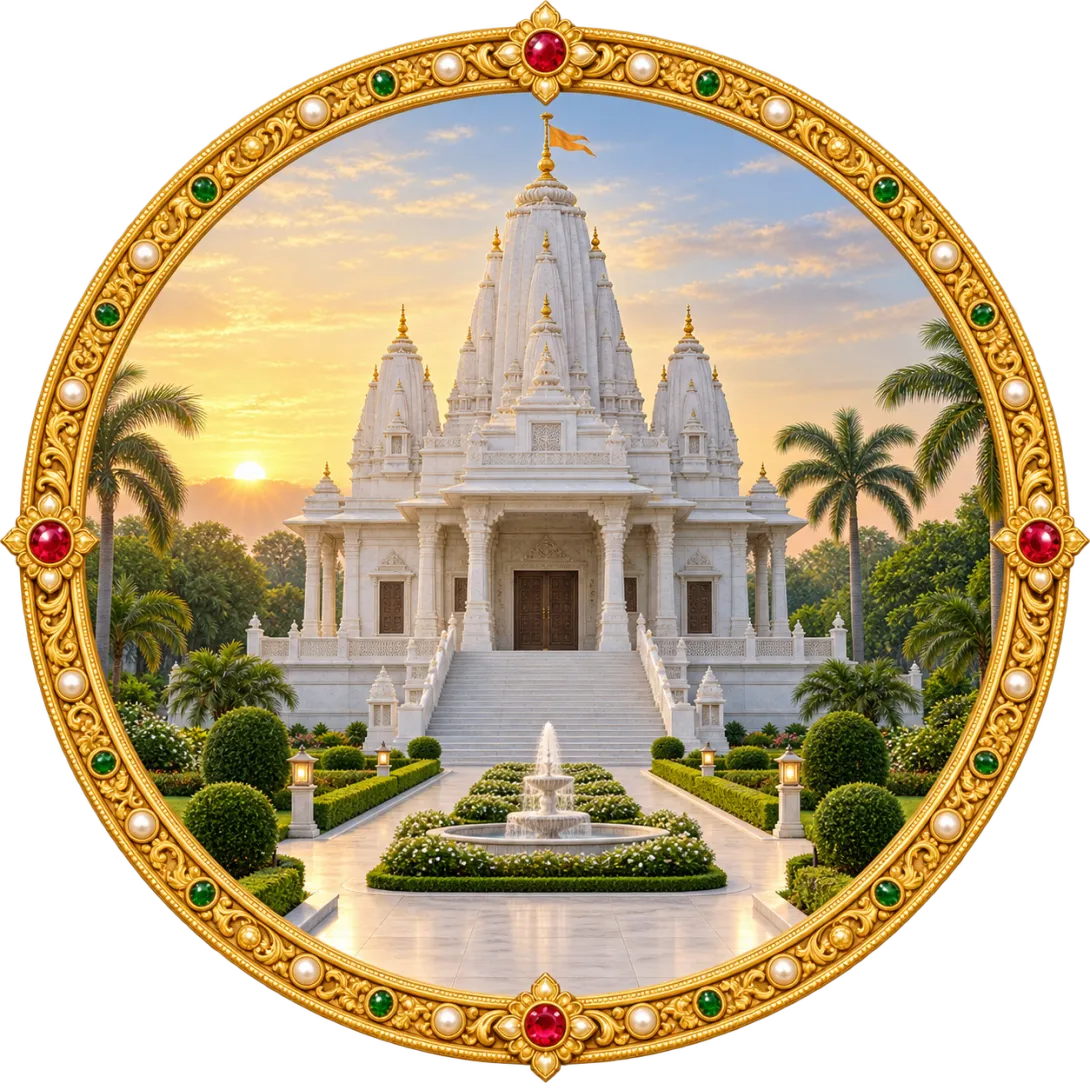
Tulsi Manas Temple, Varanasi

Tulsi Manas Temple, Varanasi

Summary

Visit Tulsi Manas Temple in Varanasi, one of the most beautiful and culturally significant temples dedicated to Lord Shri Ram. Built with white marble, the temple is famous for its connection with Goswami Tulsidas and the sacred epic Shri Ramcharitmanas.

The temple’s walls are decorated with verses, chaupais, dohas, and scenes from the Ramcharitmanas. Its peaceful gardens, devotional atmosphere, and beautiful sculptures attract devotees, tourists, and followers of Lord Ram throughout the year.

About Tulsi Manas Temple

Tulsi Manas Temple is located near Durga Kund on Sankat Mochan Road in Varanasi, Uttar Pradesh. The temple is dedicated to Lord Shri Ram, Goddess Sita, Lakshman Ji, and Lord Hanuman.

The temple was built in 1964 by the Thakur Das Sureka family of Howrah, West Bengal. It was inaugurated by Dr. Sarvepalli Radhakrishnan, the second President of India.

The temple is named after Goswami Tulsidas, the great poet-saint who composed the Shri Ramcharitmanas in the Awadhi language. The temple is believed to stand near the place associated with Tulsidas Ji and his devotion to Lord Ram.

Description

Tulsi Manas Temple, Varanasi

Tulsi Manas Temple is one of the most popular religious and cultural attractions in Varanasi. It is known not only as a place of worship but also as a centre of literature, devotion, art, and Indian culture.

The temple is built entirely with white marble, which gives it a bright and peaceful appearance. The walls of the temple contain engraved verses from the Ramcharitmanas, allowing visitors to read and experience the teachings of Lord Ram.

The temple complex includes beautiful gardens, statues, religious scenes, and a peaceful pond. Devotees visit this temple to pray to Lord Ram and experience the ideals of truth, righteousness, compassion, courage, and devotion.

History of Tulsi Manas Temple

Tulsi Manas Temple was constructed in 1964 by the Thakur Das Sureka family of Howrah, West Bengal. The temple was built in memory of Goswami Tulsidas and his contribution to Hindu devotional literature.

Goswami Tulsidas composed the Ramcharitmanas in the Awadhi language so that the teachings and story of Lord Ram could reach ordinary people. Before this, the Ramayana was primarily available in Sanskrit, which was not easily understood by everyone.

The Ramcharitmanas made the story of Lord Ram accessible to people from different communities and regions. It became one of the most respected and widely read devotional texts in North India.

The temple was inaugurated by Dr. Sarvepalli Radhakrishnan and has since become an important place for devotees, scholars, and visitors interested in the life and teachings of Tulsidas Ji.

Goswami Tulsidas and Ramcharitmanas

Goswami Tulsidas was a great poet, saint, and devotee of Lord Ram. He wrote the Ramcharitmanas in the Awadhi language, describing the life, character, values, and divine activities of Shri Ram.

The Ramcharitmanas teaches the importance of truth, duty, devotion, humility, respect for elders, compassion, and righteousness. Lord Ram is presented as an ideal son, brother, husband, king, and human being.

Tulsi Manas Temple celebrates this literary and spiritual legacy. The engraved verses and scenes inside the temple help devotees understand the important events of the Ramayana.

Significance of Tulsi Manas Temple

Tulsi Manas Temple holds great religious and cultural importance in Varanasi. It is a sacred place for devotees of Lord Ram and a centre for the study and recitation of the Ramcharitmanas.

Devotees visit the temple to pray for:

  • Peace and happiness
  • Strength to follow the path of righteousness
  • Family harmony
  • Protection from difficulties
  • Success in important work
  • Blessings of Lord Ram
  • Devotion and spiritual progress
  • Freedom from negative thoughts

The temple reminds visitors of the values taught by Lord Ram, including honesty, discipline, compassion, patience, courage, and respect for dharma.

Architecture of Tulsi Manas Temple

Tulsi Manas Temple is built in a beautiful white marble structure. Its clean design, spacious courtyard, gardens, and devotional atmosphere make it different from many ancient temples of Varanasi.

The temple follows a traditional temple design with a prominent shikhara above the main shrine. The walls are decorated with engraved verses from the Ramcharitmanas.

The temple complex contains beautiful images of:

  • Lord Ram
  • Goddess Sita
  • Lakshman Ji
  • Lord Hanuman
  • Lord Shiva
  • Goddess Parvati
  • Other characters from the Ramayana

The second floor of the temple displays different scenes from the Ramayana and Mahabharata. These scenes help visitors understand the stories and teachings of Hindu epics.

Ramcharitmanas Engravings

One of the most special features of Tulsi Manas Temple is the collection of Ramcharitmanas verses engraved on its marble walls.

Chaupais, dohas, chhands, and other verses are displayed throughout the temple. Devotees and visitors can read these verses while walking through the temple premises.

The inscriptions make the temple a living centre of devotional literature. They also preserve the teachings of Tulsidas Ji for future generations.

Tulsi Manas Temple Timings

The temple remains open for devotees throughout the week. Timings may change during festivals, special events, and religious programmes.

Daily Temple Timings

Activity

Timings

Morning Darshan

05:30 AM – 12:00 PM

Afternoon Closure

12:00 PM – 03:30 PM

Evening Darshan

03:30 PM – 09:00 PM

Morning Aarti

Around 06:00 AM

Evening Aarti

Around 04:00 PM

Devotees should visit during the morning or evening aarti to experience the temple’s spiritual atmosphere. Visitors should also check the timings before visiting during festivals.

Puja and Offerings at Tulsi Manas Temple

Devotees offer flowers, garlands, sweets, fruits, incense sticks, and diyas to Lord Ram, Sita Ji, Lakshman Ji, and Hanuman Ji.

Common offerings at the temple include:

  • Flowers
  • Tulsi leaves
  • Marigold garlands
  • Fruits
  • Sweets
  • Mishri
  • Coconut
  • Incense sticks
  • Diyas
  • Chunari

Devotees also recite Ramcharitmanas, Ram Raksha Stotra, Shri Ram Stuti, Hanuman Chalisa, and the name of Lord Ram.

Chanting “Shri Ram Jai Ram Jai Jai Ram” with devotion is considered especially peaceful and spiritually beneficial.

Tulsi Manas Temple Museum

The temple complex also includes a museum and display area related to the Ramayana and Indian religious traditions.

Visitors can see statues, models, and scenes depicting important events from the lives of Lord Ram, Sita, Lakshman, Hanuman, and other characters from the Ramayana.

Some displays use artistic and animated presentations to explain the story of Ramcharitmanas. The museum is particularly interesting for children, families, students, and visitors who want to learn about Indian epics.

Festivals Celebrated at Tulsi Manas Temple

Tulsi Manas Temple celebrates many Hindu festivals with devotion and enthusiasm. Ram Navami is one of the most important festivals observed here.

Major festivals and religious occasions include:

  • Ram Navami
  • Diwali
  • Dussehra
  • Vijayadashami
  • Hanuman Jayanti
  • Janmashtami
  • Navratri
  • Sharad Purnima
  • Makar Sankranti
  • Tulsi Jayanti
  • Ramcharitmanas recitation events

During Ram Navami, the temple is decorated beautifully and special pujas, aartis, bhajans, and religious programmes are organised.

Ram Leela and Religious Programmes

Ram Leela and other devotional programmes are organised during important religious occasions. These programmes present the story of Lord Ram and highlight the victory of good over evil.

Ramcharitmanas recitations, bhajans, kirtans, and spiritual discussions are also held at different times of the year.

These events provide devotees with an opportunity to understand the teachings of Lord Ram and the devotion of Goswami Tulsidas.

Saawan Puppet Shows

During the holy month of Saawan, the temple may host special exhibitions and puppet shows based on the Ramayana.

These performances present the stories of Lord Ram, Sita, Hanuman, and the battle between good and evil in an engaging manner. The puppet shows are especially popular among children and families.

Best Time to Visit Tulsi Manas Temple

The best time to visit Tulsi Manas Temple is during the early morning or evening hours. During these times, the weather is pleasant and the temple atmosphere is calm and devotional.

The winter months, from October to February, are generally comfortable for visiting Varanasi and exploring nearby temples.

Ram Navami, Diwali, Dussehra, and other festivals are spiritually significant, but the temple may be crowded during these occasions. Visitors who prefer a peaceful experience should visit on regular weekdays.

Nearby Temples and Places to Visit

Several important religious and cultural places are located near Tulsi Manas Temple. Visitors can include these places in their Varanasi pilgrimage:

  • Durga Kund Temple
  • Sankat Mochan Hanuman Temple
  • Kashi Vishwanath Temple
  • Annapurna Devi Temple
  • Kaal Bhairav Temple
  • Assi Ghat
  • Banaras Hindu University
  • New Vishwanath Temple
  • Bharat Kala Bhavan
  • Dashashwamedh Ghat

These places offer visitors a chance to explore the spiritual, historical, artistic, and cultural heritage of Varanasi.

How to Reach Tulsi Manas Temple

Tulsi Manas Temple is located near Durga Kund on Sankat Mochan Road in Varanasi. It is easily accessible by auto-rickshaw, e-rickshaw, taxi, and private vehicle.

By Air

The nearest airport is Lal Bahadur Shastri International Airport, Varanasi. It is approximately 30–35 kilometres from the temple. Visitors can hire a taxi, cab, or private vehicle from the airport.

By Train

Varanasi Junction, also known as Cantt Railway Station, is one of the main railway stations in the city. Kashi Railway Station and Varanasi City Railway Station are also convenient options.

From the railway station, devotees can take an auto-rickshaw, e-rickshaw, taxi, or cab towards Lanka, Durga Kund, or Sankat Mochan Road.

By Road

Varanasi is well connected to cities such as Prayagraj, Lucknow, Gorakhpur, Patna, Delhi, and Kolkata by road.

Local buses, auto-rickshaws, e-rickshaws, taxis, and app-based cabs are available from different parts of the city.

Important Tips for Devotees

Visitors should maintain cleanliness and discipline inside the temple premises. Devotees should follow the instructions given by temple staff and security personnel.

It is advisable to wear modest and comfortable clothes while visiting the temple. Visitors should also keep their belongings safe and avoid carrying unnecessary bags or electronic devices.

People should not touch the idols, inscriptions, or display items without permission. Photography may be restricted in some areas of the temple.

Visitors should take time to read the Ramcharitmanas verses engraved on the walls and maintain silence in the prayer areas.

Conclusion

Tulsi Manas Temple is one of the most beautiful and culturally significant temples in Varanasi. Dedicated to Lord Shri Ram, the temple preserves the spiritual and literary legacy of Goswami Tulsidas and the sacred Ramcharitmanas.

Its white marble architecture, engraved verses, Ramayana scenes, peaceful gardens, religious programmes, and devotional atmosphere make it an important pilgrimage destination in Kashi.

A visit to Tulsi Manas Temple offers devotees an opportunity to pray to Lord Ram, learn about the teachings of the Ramcharitmanas, and experience the values of truth, devotion, righteousness, compassion, and humility.

The temple’s peaceful environment and connection with Tulsidas Ji make the visit a memorable and spiritually enriching experience.

Cover Image
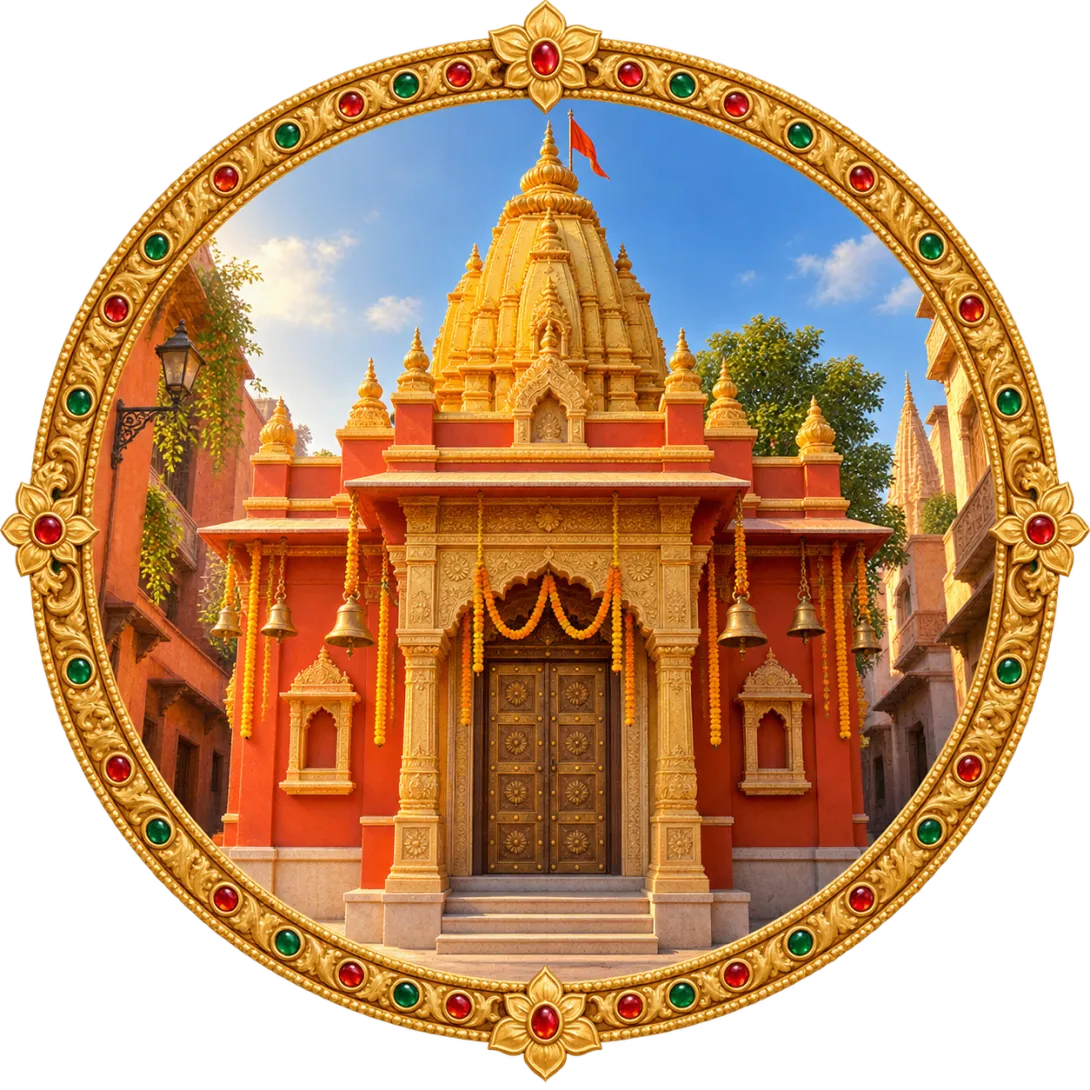
Kaal Bhairav Temple, Varanasi

Kaal Bhairav Temple, Varanasi

Summary

Visit Kaal Bhairav Temple in Varanasi, one of the most powerful and revered temples dedicated to Lord Kaal Bhairav. Considered the guardian and protector of Kashi, Kaal Bhairav is worshipped as a fierce form of Lord Shiva who protects devotees from fear, negative energies, obstacles, and difficult situations.

The temple attracts devotees throughout the year, especially on Tuesdays, Sundays, Kaal Bhairav Jayanti, Mahashivratri, and other important religious occasions.

About Kaal Bhairav Temple

Kaal Bhairav Temple is located in the Bharonath area of Varanasi, Uttar Pradesh. The temple is dedicated to Kaal Bhairav, a powerful and protective form of Lord Shiva.

The present structure of Kaal Bhairav Temple was built in the mid-17th century by Sardar Vinchurkar, a Maratha army commander. The temple is constructed in the traditional Nagara style of architecture and has remained an important centre of worship in Varanasi for centuries.

According to Hindu beliefs, Lord Shiva manifested himself as Kaal Bhairav at this sacred place. He is worshipped as the Kotwal, or guardian, of Kashi and is believed to protect the city and its devotees from negative energies, fear, and difficulties.

The word “Kaal” represents time and death, while “Bhairav” refers to the fierce and protective form of Lord Shiva. Devotees visit the temple to pray for protection, courage, success, freedom from fear, and relief from obstacles. The temple has a powerful yet deeply devotional atmosphere.

Description

Kaal Bhairav Temple, Varanasi

Kaal Bhairav Temple is one of the most important Shaiva temples in Varanasi. Unlike many other temples dedicated to Lord Shiva, this temple worships Shiva in his fierce and protective Bhairav form.

Kaal Bhairav is believed to guard the holy city of Kashi and protect its residents and visitors. Devotees often visit this temple before or after visiting Kashi Vishwanath Temple.

The temple is also associated with spiritual discipline, justice, time, protection, and the removal of fear. Tuesday and Sunday are considered especially important days for worshipping Kaal Bhairav.

History of Kaal Bhairav Temple

Kaal Bhairav Temple is considered one of the ancient temples of Varanasi. The exact date of its original establishment is not clearly known, but the temple has been an important centre of Bhairav worship for centuries.

The present temple structure is believed to have developed over time through renovation and religious patronage. The shrine has continued to attract devotees who believe in the protective power of Kaal Bhairav.

The temple’s long association with Kashi, Lord Shiva, and the traditions of Bhairav worship makes it an important part of the religious history of Varanasi.

Legend of Kaal Bhairav

According to Hindu mythology, once Lord Brahma and Lord Vishnu had a disagreement about who was the greatest. Lord Shiva appeared in the form of an endless pillar of light to settle the dispute.

When Lord Brahma showed disrespect towards Lord Shiva, a powerful form emerged from Shiva known as Kaal Bhairav. Kaal Bhairav is believed to have removed one of Brahma’s heads and later carried the skull as a symbol of divine justice.

Because of this act, Kaal Bhairav had to travel to different sacred places. When he reached Kashi, the skull fell away and he became free from the associated sin.

Lord Shiva then declared that Kaal Bhairav would remain in Kashi as its protector and guardian. Since then, Kaal Bhairav has been worshipped as the Kotwal of Kashi.

Significance of Kaal Bhairav Temple

Kaal Bhairav Temple holds immense religious importance among devotees of Lord Shiva. Kaal Bhairav is worshipped as the protector who removes fear, negative energies, and obstacles from the lives of devotees.

Devotees visit the temple to pray for:

  • Protection from danger
  • Freedom from fear
  • Removal of obstacles
  • Courage and confidence
  • Relief from negative energies
  • Success in important work
  • Protection during travel
  • Peace and stability
  • Relief from the negative effects of Shani
  • Spiritual strength and divine guidance

According to religious beliefs, worshipping Kaal Bhairav helps devotees become more disciplined, fearless, and spiritually strong.

Kaal Bhairav as the Kotwal of Kashi

Kaal Bhairav is popularly known as the Kotwal, or chief guardian, of Kashi. Devotees believe that he protects the city and keeps away evil and harmful influences.

It is traditionally believed that visitors should seek the blessings of Kaal Bhairav while visiting Varanasi. Many devotees consider his darshan an important part of completing their pilgrimage to Kashi.

The title “Kotwal of Kashi” reflects the belief that Kaal Bhairav watches over the city, maintains divine order, and protects those who come to Kashi with faith.

Kaal Bhairav and the Sacred Dog

The dog is considered the vehicle, or vahana, of Kaal Bhairav. For this reason, dogs hold special significance in the worship of Lord Kaal Bhairav.

Devotees often feed dogs as an act of devotion and charity. Offering food to dogs is considered a respectful way of honouring Kaal Bhairav and seeking his blessings.

Black dogs are especially associated with Kaal Bhairav worship. However, devotees should feed animals responsibly and avoid giving them harmful food.

Architecture of Kaal Bhairav Temple

Kaal Bhairav Temple has a traditional Hindu temple structure with a peaceful and devotional atmosphere. The temple’s inner sanctum houses the idol of Lord Kaal Bhairav, decorated with flowers, garlands, sacred ornaments, and religious offerings.

The idol of Kaal Bhairav is traditionally represented in a powerful form, reflecting strength, protection, and divine authority. The temple premises also contain smaller shrines dedicated to other deities, including Lord Ganesha, Goddess Durga, Lord Hanuman, and the Navagrahas.

The temple’s simple yet sacred design reflects the ancient spiritual traditions of Varanasi.

Kaal Bhairav Temple Timings

The temple remains open for devotees throughout the week. Timings may change during festivals, special occasions, and religious ceremonies.

Summer Timings

Activity

Timings

Morning Darshan

05:00 AM – 01:30 PM

Afternoon Closure

01:30 PM – 03:00 PM

Evening Darshan

03:00 PM – 10:30 PM

Winter Timings

Activity

Timings

Morning Darshan

05:30 AM – 01:00 PM

Afternoon Closure

01:00 PM – 03:30 PM

Evening Darshan

03:30 PM – 10:00 PM

Important Aarti Timings

Aarti

Timings

Mangala Aarti

Around 04:00 AM

Bhog Aarti

Around 12:00 PM

Sandhya Aarti

Around 07:00 PM

Shayan Aarti

Around 11:00 PM

Devotees should confirm the timings before visiting, especially during Kaal Bhairav Jayanti, Mahashivratri, and other major festivals.

Puja and Offerings at Kaal Bhairav Temple

Devotees offer different sacred items to Lord Kaal Bhairav with faith and devotion. Mustard oil, black sesame, flowers, and sweets are commonly associated with his worship.

Common offerings include:

  • Mustard oil
  • Black sesame seeds
  • Black flowers
  • Red flowers
  • Incense sticks
  • Sweets
  • Coconut
  • Fruits
  • Black cloth
  • Sacred thread
  • Mustard oil lamps

In some traditional forms of worship, alcohol is also offered to Kaal Bhairav. Devotees should follow the customs and instructions of the temple authorities while making any offering.

A sacred thread known as Bhairav Raksha Sutra is also worn by devotees for protection and blessings.

Kaal Bhairav Mantra

Devotees can chant the following mantra while worshipping Lord Kaal Bhairav:

“ॐ कालभैरवाय नमः”

Another popular mantra is:

“ॐ ह्रीं बटुकाय आपदुद्धारणाय कुरु कुरु बटुकाय ह्रीं ॐ”

Devotees also recite Kaal Bhairav Ashtakam to seek protection, courage, and freedom from fear. The mantra should be chanted with a peaceful mind and sincere devotion.

Festivals Celebrated at Kaal Bhairav Temple

Kaal Bhairav Temple celebrates several Hindu festivals with great devotion and enthusiasm. Kaal Bhairav Jayanti is the most important festival dedicated to Lord Kaal Bhairav.

Major festivals and religious occasions include:

  • Kaal Bhairav Jayanti
  • Mahashivratri
  • Diwali
  • Annakoot Festival
  • Navratri
  • Pradosh Vrat
  • Tuesdays
  • Sundays
  • Shravan Month
  • Special Bhairav Ashtami celebrations

During Kaal Bhairav Jayanti, the temple is beautifully decorated and special pujas, aartis, havans, and devotional programmes are organised.

Spiritual Benefits of Worshipping Kaal Bhairav

According to religious beliefs, worshipping Kaal Bhairav can help devotees develop fearlessness, discipline, and inner strength.

Devotees pray to Kaal Bhairav for:

  • Protection from negative forces
  • Removal of unnecessary fear
  • Freedom from repeated obstacles
  • Mental peace
  • Success in legal or difficult matters
  • Protection during travel
  • Relief from spiritual disturbances
  • Strength to face challenging situations

These beliefs are part of traditional religious practices, and devotees worship Lord Kaal Bhairav with faith and devotion.

Best Time to Visit Kaal Bhairav Temple

The best time to visit the temple is early morning, when the atmosphere is calm and the crowd is comparatively smaller.

Tuesdays and Sundays are considered especially auspicious, but these days can also be crowded. Kaal Bhairav Jayanti, Mahashivratri, Diwali, and the holy month of Shravan attract a large number of devotees.

The winter months, from October to February, are generally comfortable for visiting Varanasi and exploring nearby temples.

Nearby Temples and Places to Visit

Several important religious and cultural places are located near Kaal Bhairav Temple. Devotees can include these places in their Varanasi pilgrimage:

  • Kashi Vishwanath Temple
  • Annapurna Devi Temple
  • Vishalakshi Temple
  • Sankat Mochan Hanuman Temple
  • Durga Kund Temple
  • Dashashwamedh Ghat
  • Manikarnika Ghat
  • Ganga Ghats
  • Bharat Mata Temple
  • Tulsi Manas Temple

Visiting these places allows devotees to experience the spiritual and cultural heritage of Kashi.

How to Reach Kaal Bhairav Temple

Kaal Bhairav Temple is located in the Bharonath and Vishweshwarganj area of Varanasi. The temple can be reached by auto-rickshaw, e-rickshaw, taxi, or private vehicle.

By Air

The nearest airport is Lal Bahadur Shastri International Airport, Varanasi. It is approximately 25–30 kilometres from the temple. Visitors can hire a taxi, cab, or private vehicle from the airport.

By Train

Varanasi Junction, also known as Cantt Railway Station, is one of the main railway stations in the city. Kashi Railway Station and Varanasi City Railway Station are also convenient options.

From the railway station, devotees can take an auto-rickshaw, e-rickshaw, taxi, or cab towards Vishweshwarganj or Bharonath.

By Road

Varanasi is well connected to cities such as Prayagraj, Lucknow, Gorakhpur, Patna, Delhi, and Kolkata by road.

Local buses, auto-rickshaws, e-rickshaws, taxis, and app-based cabs are available from different parts of the city. Visitors may need to walk through the narrow lanes near the temple.

Important Tips for Devotees

Devotees should maintain discipline and cleanliness inside the temple premises. Visitors should follow the instructions given by temple staff and security personnel.

It is advisable to wear modest and comfortable clothes. The temple area can become crowded on Tuesdays, Sundays, festivals, and special religious occasions.

Visitors should keep their belongings safe and avoid carrying unnecessary bags or electronic devices. Photography may be restricted inside certain areas of the temple.

Devotees should make offerings only according to the temple traditions and should not force or perform any ritual without proper guidance.

Conclusion

Kaal Bhairav Temple is one of the most powerful and revered temples in Varanasi. Dedicated to Kaal Bhairav, the fierce and protective form of Lord Shiva, the temple is considered the spiritual security centre of Kashi.

Its ancient traditions, association with the Kotwal of Kashi, sacred offerings, connection with Lord Shiva, and powerful devotional atmosphere make it an important pilgrimage destination.

A visit to Kaal Bhairav Temple offers devotees an opportunity to pray for protection, courage, peace, and freedom from obstacles. The chanting of mantras, temple bells, devotional prayers, and spiritual energy make the visit a deeply meaningful experience.

Cover Image
Annapurna Devi Temple, Varanasi

Annapurna Devi Temple, Varanasi

Summary

Visit Annapurna Devi Temple in Varanasi, one of the most revered temples dedicated to Maa Annapurna, the Goddess of food, nourishment, prosperity, and abundance. Located near the sacred Kashi Vishwanath Temple, this temple is known for its deep spiritual significance, ancient traditions, Annadan service, and peaceful devotional atmosphere.

Devotees visit the temple to pray for food, prosperity, family happiness, good health, and freedom from financial difficulties. The temple becomes especially vibrant during Dhanteras, Diwali, Navratri, and the Annakoot festival.

About Annapurna Devi Temple

Annapurna Devi Temple is situated in the Vishwanath Gali area of Varanasi, Uttar Pradesh. The temple is dedicated to Maa Annapurna, who is considered a form of Goddess Parvati and the divine provider of food and nourishment.

The word “Annapurna” means the one who is filled with food and nourishment. Maa Annapurna is worshipped as the divine mother who feeds and protects all living beings.

The temple is located close to Kashi Vishwanath Temple, and many devotees visit both temples during their pilgrimage to Kashi. Its traditional rituals, food offerings, and charitable activities make it an important religious destination in Varanasi.

Description

Annapurna Devi Temple, Varanasi

Annapurna Devi Temple is one of the most famous temples in the holy city of Varanasi. Maa Annapurna is worshipped here as the divine mother who blesses devotees with food, wealth, prosperity, and abundance.

Devotees visit the temple to seek blessings for:

  • Food and nourishment

  • Prosperity and abundance

  • Financial stability

  • Peace in family life

  • Good health

  • Success in work and business

  • Fulfilment of wishes

  • Protection from poverty and scarcity

The temple is also known for its tradition of serving food and distributing Prasad. This reflects the belief that feeding the hungry and respecting food are among the highest forms of service.

History of Annapurna Devi Temple

The present Annapurna Devi Temple was constructed in the 18th century by Maratha Peshwa Baji Rao I. The temple has remained an important centre of worship for Maa Annapurna for several centuries.

The temple is closely connected with the religious heritage of Kashi and is located near the sacred shrine of Lord Kashi Vishwanath. Maa Annapurna is traditionally regarded as the queen of Kashi, while Lord Vishwanath is worshipped as the king of the city.

The temple continues to preserve the ancient traditions of Devi worship, food distribution, Annadan, and devotional service.

Legend of Maa Annapurna

According to Hindu mythology, once Lord Shiva said that the entire material world, including food, was an illusion. Goddess Parvati wanted to show the importance of food and nourishment, so she disappeared from the world.

After her disappearance, food became scarce and people began to suffer from hunger. Even the gods were unable to find food. Lord Shiva then realised the importance of nourishment and went to Varanasi in search of food.

Goddess Parvati appeared in the form of Maa Annapurna and began distributing food to everyone. She also offered food to Lord Shiva and explained that food is essential for the existence of every living being.

After this divine event, Maa Annapurna came to be worshipped as the Goddess of food, nourishment, prosperity, and abundance.

Religious Significance of Annapurna Devi Temple

Annapurna Devi Temple holds immense religious importance in Hinduism. Maa Annapurna is believed to provide food and nourishment to all living beings.

Devotees believe that worshipping Maa Annapurna helps remove food-related problems, financial difficulties, and scarcity from life. Offering food to the poor and needy is considered especially auspicious in her worship.

The temple is also a symbol of compassion, motherhood, charity, selfless service, and respect for food. Devotees believe that the blessings of Maa Annapurna bring peace and stability to the home.

Architecture of Annapurna Devi Temple

Annapurna Devi Temple is built in the traditional North Indian Nagara style of temple architecture. The temple has a sanctum, pillared sections, and beautifully decorated religious spaces.

The main shrine houses the idol of Maa Annapurna, who is traditionally represented with a pot of food and a serving ladle. These symbols represent nourishment, generosity, prosperity, and the sacred duty of feeding others.

The temple complex also contains images and shrines dedicated to Lord Shiva and other deities. Its traditional structure and devotional surroundings reflect the ancient spiritual heritage of Varanasi.

Annapurna Devi Temple Timings

The temple remains open for devotees throughout the week. Timings may change during festivals, special pujas, Dhanteras, Diwali, and Annakoot celebrations.

Daily Temple Timings

Activity

Timings

Morning Darshan

04:00 AM – 01:30 PM

Afternoon Closure

01:30 PM – 04:00 PM

Evening Darshan

04:00 PM – 10:00 PM

Devotees should visit early in the morning for a peaceful darshan. During Dhanteras and Diwali, the temple may follow special timings because of the large number of devotees.

Puja and Offerings at Annapurna Devi Temple

Devotees offer different sacred items to Maa Annapurna with love and devotion. Food offerings are considered especially important in the worship of the Goddess.

Common offerings at the temple include:

  • Rice

  • Wheat and other grains

  • Fruits

  • Sweets

  • Dry fruits

  • Coconut

  • Flowers

  • Chunari

  • Kumkum

  • Ghee

  • Cooked food

Devotees also perform Annadan, or food donation, for the needy and other devotees. Serving food is considered a highly auspicious act because Maa Annapurna is the divine provider of nourishment.

Prasad is distributed among devotees as a symbol of the blessings and generosity of the Goddess.

Maa Annapurna Mantra

Devotees can chant the following mantra while worshipping Maa Annapurna:

“ॐ अन्नपूर्णायै नमः”

The Annapurna Stotram is also recited by devotees for blessings of food, prosperity, peace, and abundance.

A popular prayer dedicated to Maa Annapurna is:

“अन्नपूर्णे सदापूर्णे शंकर प्राणवल्लभे।
ज्ञान वैराग्य सिद्ध्यर्थं भिक्षां देहि च पार्वति॥”

Devotees should chant these prayers with a peaceful mind and complete devotion.

Golden Idol of Maa Annapurna

The temple is especially famous for its golden idol of Maa Annapurna. The golden form of the Goddess is traditionally displayed for public darshan during the Diwali period, particularly around Dhanteras and Annakoot.

Devotees consider the darshan of the golden idol extremely auspicious. During this period, special prayers are performed and sacred items symbolising prosperity and abundance are distributed among devotees.

The regular idol of Maa Annapurna is available for darshan throughout the year according to the temple timings.

Dhanteras and Golden Idol Darshan

Dhanteras is one of the most important occasions at Annapurna Devi Temple. On this day, devotees gather in large numbers to seek the blessings of Maa Annapurna and pray for wealth, food, health, and prosperity.

The golden idol of the Goddess is displayed during this special period. Devotees consider this darshan a symbol of abundance and divine blessings.

Many people also offer grains, sweets, and food to the Goddess during Dhanteras. Annadan and charity are considered especially meaningful on this occasion.

Annakoot Festival and Chhappan Bhog

Annakoot is another important festival celebrated at Annapurna Devi Temple. The word “Annakoot” means a mountain of food.

During the festival, a large variety of food items are prepared and offered to Maa Annapurna. The offering may include sweets, vegetables, grains, fruits, rice, breads, and traditional dishes.

The Annakoot celebration expresses gratitude towards the Goddess for providing food and nourishment. After the puja, the food is distributed as Prasad among devotees.

Annadan and Prasad Distribution

The Annapurna Temple is well known for its tradition of serving food and distributing Prasad. Devotees believe that Annadan is a sacred service that pleases Maa Annapurna.

Food is prepared in the temple kitchens and served to devotees and people in need. This tradition reflects the message that food should be respected, shared, and never wasted.

Participating in food donation or serving meals is considered an important spiritual activity for devotees visiting the temple.

Festivals Celebrated at Annapurna Devi Temple

Annapurna Devi Temple celebrates several Hindu festivals with great devotion and enthusiasm. Dhanteras and Annakoot are among the most important celebrations held at the temple.

Major festivals and religious occasions include:

  • Dhanteras

  • Diwali

  • Annakoot Festival

  • Govardhan Puja

  • Navratri

  • Annapurna Jayanti

  • Akshaya Tritiya

  • Sharad Purnima

  • Chaitra Navratri

  • Special Friday pujas

  • Purnima celebrations

During these festivals, the temple is beautifully decorated and special pujas, aartis, food offerings, and religious ceremonies are organised.

Best Time to Visit Annapurna Devi Temple

The best time to visit the temple is during the early morning hours when the atmosphere is calm and the crowd is comparatively smaller.

The winter season, from October to February, is generally comfortable for exploring Varanasi and visiting nearby temples. Navratri, Dhanteras, Diwali, and Annakoot are spiritually significant occasions, but these days can be extremely crowded.

Devotees who prefer a peaceful darshan should visit on regular weekdays and avoid peak festival hours.

Nearby Temples and Places to Visit

Several important religious and cultural places are located near Annapurna Devi Temple. Devotees can include these places in their Varanasi pilgrimage:

  • Kashi Vishwanath Temple

  • Vishalakshi Temple

  • Kaal Bhairav Temple

  • Dashashwamedh Ghat

  • Manikarnika Ghat

  • Sankat Mochan Hanuman Temple

  • Durga Kund Temple

  • Tulsi Manas Temple

  • Shri Ram Mandir

  • Ganga Ghats

Visiting these places helps devotees experience the spiritual, historical, and cultural heritage of Kashi.

How to Reach Annapurna Devi Temple

Annapurna Devi Temple is located near Kashi Vishwanath Temple in the Vishwanath Gali area of Varanasi. Due to the narrow lanes and security arrangements, vehicles may not be allowed directly near the temple entrance.

By Air

The nearest airport is Lal Bahadur Shastri International Airport, Varanasi. It is approximately 25–30 kilometres from the temple. Visitors can hire a taxi, cab, or private vehicle from the airport.

By Train

Varanasi Junction, also known as Cantt Railway Station, is one of the main railway stations in the city. Kashi Railway Station and Varanasi City Railway Station are also convenient options.

From the railway station, devotees can take an auto-rickshaw, e-rickshaw, taxi, or cab towards Godowlia. From there, the temple can be reached by walking through the nearby lanes.

By Road

Varanasi is well connected to cities such as Prayagraj, Lucknow, Gorakhpur, Patna, Delhi, and Kolkata by road.

Local buses, auto-rickshaws, e-rickshaws, taxis, and app-based cabs are available throughout the city. Visitors can reach the Godowlia area and then walk towards Vishwanath Gali and Annapurna Temple.

Important Tips for Devotees

Visitors should maintain cleanliness and discipline inside the temple premises. Devotees should follow the instructions of temple staff and security personnel.

It is advisable to wear modest and comfortable clothes while visiting the temple. During Dhanteras, Diwali, Annakoot, and Navratri, the temple can become very crowded.

Devotees should keep their belongings safe and avoid carrying unnecessary bags or electronic devices. Visitors should also respect the food distribution traditions and avoid wasting Prasad or any food offered at the temple.

People should not enter restricted areas or touch the idols without permission. Photography may also be restricted in certain parts of the temple.

Conclusion

Annapurna Devi Temple is one of the most sacred temples in Varanasi and a symbol of food, nourishment, compassion, and prosperity. Maa Annapurna is worshipped as the divine mother who provides food and blessings to all living beings.

Its close connection with Kashi Vishwanath Temple, ancient history, traditional architecture, golden idol, Annadan tradition, and grand festivals make it an important religious destination in Kashi.

A visit to Annapurna Devi Temple offers devotees an opportunity to seek the blessings of Maa Annapurna, participate in sacred worship, and understand the spiritual importance of respecting and sharing food.

The temple’s devotional atmosphere and message of compassion make the visit a deeply meaningful and soul-touching experience.

Cover Image
Durga Temple, Varanasi

Durga Temple, Varanasi

Summary

Visit Durga Temple, also known as Durga Kund Mandir, one of the most revered temples dedicated to Maa Durga in Varanasi. Famous for its bright red architecture, sacred Durga Kund, and powerful spiritual atmosphere, the temple attracts devotees throughout the year.

The temple becomes especially vibrant during Navratri, Durga Puja, and Nag Panchami, when thousands of devotees visit to seek the blessings of Goddess Durga.

About Durga Temple

Durga Temple is situated near Durga Kund in the Bhelupur area of Varanasi, Uttar Pradesh. The temple is dedicated to Maa Durga, who is worshipped as the divine form of Shakti, strength, protection, and courage.

The temple is surrounded by a peaceful and devotional environment. The sacred pond located beside the temple is known as Durga Kund. Devotees visit this holy shrine to pray for protection, prosperity, good health, and freedom from difficulties.

The red colour of the temple represents the power, energy, and courage of Goddess Durga. Regular pujas, aartis, and religious ceremonies are performed at the temple.

Description

Durga Temple, Durga Kund

Durga Kund Mandir is one of the most important temples in Varanasi. It is located close to several famous religious places, including Sankat Mochan Hanuman Temple and Tulsi Manas Temple.

The temple is visited by devotees from different parts of India, especially during Navratri. Many people believe that Maa Durga protects Varanasi and blesses her devotees with strength and courage.

The temple’s peaceful surroundings, sacred pond, traditional rituals, and unique architecture make it an important spiritual destination in Kashi.

History of Durga Temple

Durga Temple was constructed in the 18th century by Rani Bhabani, a Bengali queen from Natore. She was a devoted follower of Goddess Durga and played an important role in building and supporting several religious places.

According to popular belief, the idol of Maa Durga in the temple is self-manifested and was not created or installed by human beings. Devotees believe that the Goddess appeared at this sacred place to bless and protect the people of Kashi.

There are also several traditional stories associated with the temple. According to one belief, Goddess Durga came to protect Varanasi from evil forces and promised to remain in the city to safeguard her devotees.

Significance of Durga Temple

Durga Temple holds great religious importance among devotees of Goddess Durga. Maa Durga is worshipped here as the embodiment of divine power, courage, protection, and motherhood.

Devotees visit the temple to pray for:

  • Protection from negative energies
  • Courage and inner strength
  • Peace and prosperity
  • Success in important tasks
  • Relief from difficulties
  • Family happiness
  • Good health and well-being
  • Fulfilment of wishes

The temple is especially important for devotees during Navratri, when Maa Durga is worshipped in her different forms for nine days.

Architecture of Durga Temple

Durga Temple is built in the traditional North Indian Nagara style of architecture. The temple is painted in red and ochre shades, which are considered symbolic of the power and energy of Goddess Durga.

The temple has a tall multi-level shikhara made up of several smaller spires. The intricate stonework and traditional design give the temple a unique and attractive appearance.

The main sanctum houses the idol of Maa Durga, beautifully decorated with clothes, jewellery, flowers, and ornaments. A large rectangular pond, known as Durga Kund, is located beside the temple.

The combination of the red temple structure, detailed stonework, sacred pond, and peaceful surroundings makes Durga Kund Mandir one of the most recognisable temples in Varanasi.

Durga Temple Timings

Durga Temple remains open for devotees throughout the week. The timings may change during Navratri, Durga Puja, festivals, and other special religious occasions.

Daily Temple Timings

Activity

Timings

Morning Darshan

05:00 AM – 12:00 PM

Afternoon Closure

12:00 PM – 04:00 PM

Evening Darshan

04:00 PM – 09:00 PM

Devotees should visit early in the morning or during the evening for a peaceful darshan. During festivals, the temple may remain open for longer hours because of the large number of visitors.

Puja and Offerings at Durga Temple

Devotees offer various sacred items to Maa Durga with faith and devotion. Red flowers, sindoor, chunari, coconut, sweets, and fruits are commonly offered to the Goddess.

Popular offerings at the temple include:

  • Red flowers
  • Sindoor
  • Chunari
  • Coconut
  • Fruits
  • Sweets
  • Incense sticks
  • Diyas
  • Red bangles
  • Garland

Devotees also recite Durga Chalisa, Durga Saptashati, Devi Kavach, and other prayers to seek the blessings of Maa Durga.

Special pujas and aartis are performed during Navratri and other important festivals.

Festivals Celebrated at Durga Temple

Durga Temple celebrates several Hindu festivals with great devotion and enthusiasm. Navratri is the most important festival celebrated at Durga Kund Mandir.

Major festivals and religious occasions include:

  • Chaitra Navratri
  • Sharad Navratri
  • Durga Puja
  • Maha Ashtami
  • Mahanavami
  • Vijayadashami
  • Nag Panchami
  • Diwali
  • Dussehra
  • Purnima and special Devi pujas

During Navratri, the temple is decorated beautifully and special prayers, aartis, havans, and devotional programmes are organised.

Durga Kund and Nag Panchami

Durga Kund is the sacred pond situated beside the temple. It adds to the religious importance and peaceful beauty of the temple premises.

During Nag Panchami, a special religious display connected with Lord Vishnu reclining on the serpent Shesha is traditionally recreated at the Kund. Devotees gather to witness the ceremony and offer prayers.

The Kund is considered an important part of the temple’s religious and cultural heritage.

How to Reach Durga Temple

Durga Temple is located in the Bhelupur area of Varanasi, near Durga Kund and Sankat Mochan Road. It is easily accessible by auto-rickshaw, e-rickshaw, taxi, and private vehicle.

By Air

The nearest airport is Lal Bahadur Shastri International Airport, Varanasi. It is approximately 30–35 kilometres from the temple. Visitors can hire a taxi or cab from the airport.

By Train

Varanasi Junction, also known as Cantt Railway Station, is one of the main railway stations in the city. Visitors can also use Kashi Railway Station or Varanasi City Railway Station.

From the railway station, devotees can take an auto-rickshaw, e-rickshaw, taxi, or cab towards Bhelupur, Durga Kund, or Sankat Mochan Road.

By Road

Varanasi is well connected to cities such as Prayagraj, Lucknow, Gorakhpur, Patna, Delhi, and Kolkata by road.

Local buses, auto-rickshaws, e-rickshaws, taxis, and app-based cabs are available from different parts of the city.

Important Tips for Devotees

Visitors should maintain cleanliness and discipline inside the temple premises. Devotees should follow the instructions of temple staff and security personnel.

It is advisable to wear modest and comfortable clothes while visiting the temple. During Navratri, Durga Puja, and Nag Panchami, the temple may be extremely crowded, so visitors should plan their visit accordingly.

Devotees should avoid touching the idols or entering restricted areas without permission. Personal belongings should also be kept safely while visiting the temple.

Conclusion

Durga Temple, also known as Durga Kund Mandir, is one of the most sacred temples in Varanasi. Dedicated to Maa Durga, the temple represents strength, protection, courage, and divine feminine energy.

Its red Nagara-style architecture, ancient history, sacred Durga Kund, traditional worship, and vibrant festivals make it an important religious destination in Kashi.

A visit to Durga Temple offers devotees an opportunity to seek the blessings of Maa Durga, experience spiritual peace, and connect with the ancient religious traditions of Varanasi. The divine atmosphere, temple bells, devotional chants, and peaceful surroundings make the visit a memorable spiritual experience.

Cover Image
Sankat Mochan Hanuman Temple, Varanasi

Sankat Mochan Hanuman Temple, Varanasi

Summary

Visit Sankat Mochan Hanuman Temple in Varanasi, one of the most revered temples dedicated to Lord Hanuman. Located near the Assi area and Banaras Hindu University, this sacred temple is known for its peaceful spiritual atmosphere, powerful devotional traditions, and deep connection with Goswami Tulsidas.

Devotees visit the temple to seek the blessings of Lord Hanuman, remove obstacles from life, gain courage, and find relief from difficulties. The chanting of Hanuman Chalisa, Ram Naam, and devotional prayers creates a deeply peaceful and divine atmosphere inside the temple.

About Sankat Mochan Hanuman Temple

Sankat Mochan Hanuman Temple is a famous Hindu temple located in Varanasi, Uttar Pradesh. The name “Sankat Mochan” means the remover of troubles and difficulties. Lord Hanuman is worshipped here as a powerful protector and devoted servant of Lord Shri Ram.

The temple is considered one of the most important Hanuman temples in Varanasi. Devotees believe that offering prayers at this sacred shrine brings peace, strength, protection, and freedom from fear.

The temple is surrounded by a calm and devotional environment. Regular prayers, aartis, Hanuman Chalisa recitations, and Ram Naam chanting take place throughout the day. Tuesdays and Saturdays are especially significant, as a large number of devotees visit the temple on these days.

Description

Sankat Mochan Hanuman Temple, Varanasi

Sankat Mochan Hanuman Temple is situated in the southern part of Varanasi, near the Assi River and Banaras Hindu University. It is one of the most popular religious destinations for devotees visiting Kashi.

The temple is dedicated to Lord Hanuman, who is worshipped as the remover of all kinds of troubles. Devotees come here with faith and devotion to pray for health, courage, success, protection, and the fulfilment of their wishes.

The temple has a simple yet spiritually powerful atmosphere. Devotees often sit quietly inside the temple premises, chant Hanuman Chalisa, and offer prayers to Lord Hanuman and Lord Shri Ram.

History of Sankat Mochan Hanuman Temple

Sankat Mochan Hanuman Temple was established by Goswami Tulsidas, the great poet-saint and author of the Ramcharitmanas. According to popular belief, Tulsidas had a divine vision of Lord Hanuman at this very place.

Inspired by this spiritual experience, he established the temple dedicated to Lord Hanuman. The temple later became a major centre of Hanuman worship and devotion in Varanasi.

Goswami Tulsidas is also closely associated with the composition and popularisation of the Hanuman Chalisa. Because of this connection, the temple holds special importance for devotees who regularly recite Hanuman Chalisa and Ramcharitmanas.

For centuries, the temple has remained a place of faith, devotion, and spiritual comfort for people from different parts of India.

Significance of Sankat Mochan Hanuman Temple

Sankat Mochan Hanuman Temple holds immense religious significance among devotees of Lord Hanuman and Lord Shri Ram. Hanuman Ji is believed to remove troubles, protect devotees from negative energies, and provide strength during difficult situations.

Devotees visit the temple to pray for:

  • Protection from difficulties

  • Courage and mental strength

  • Relief from fear and anxiety

  • Success in important tasks

  • Peace in family life

  • Removal of obstacles

  • Relief from the negative effects of Shani

  • Spiritual progress and devotion

According to Hindu beliefs, sincere worship of Lord Hanuman helps devotees overcome challenges and develop confidence, discipline, and devotion.

Architecture of Sankat Mochan Hanuman Temple

Sankat Mochan Hanuman Temple follows a traditional Hindu temple style. The temple has a simple and devotional structure that reflects the spiritual traditions of Varanasi.

The main shrine houses the idol of Lord Hanuman. Devotees offer flowers, sindoor, garlands, sweets, and prayers to the deity. The temple premises are decorated during festivals and special religious occasions.

Unlike many grand temple complexes, the beauty of Sankat Mochan Temple lies in its peaceful surroundings and devotional environment. The continuous chanting of prayers and the presence of devotees create a powerful spiritual atmosphere.

Sankat Mochan Hanuman Temple Timings

The temple remains open every day for devotees. Darshan timings may change during festivals, special occasions, and important religious events.

Daily Temple Timings

Activity

Timings

Morning Darshan

05:00 AM – 12:00 PM

Afternoon Closure

12:00 PM – 03:00 PM

Evening Darshan

03:00 PM – 10:00 PM

On Tuesdays, Saturdays, Hanuman Jayanti, and other important occasions, the temple may remain open for extended hours because of the large number of devotees.

Visitors should check the latest timings before planning their visit, especially during festivals and crowded days.

Puja and Offerings at Sankat Mochan Temple

Devotees offer different sacred items to Lord Hanuman with devotion. Sindoor and jasmine oil are considered especially important offerings in Hanuman worship.

Common offerings at the temple include:

  • Sindoor

  • Jasmine oil

  • Red flowers

  • Marigold garlands

  • Besan ladoos

  • Boondi ladoos

  • Bananas and other fruits

  • Sacred threads

  • Hanuman Chalisa and Ram Naam prayers

Devotees also recite Hanuman Chalisa, Bajrang Baan, Sundarkand, and other prayers to seek the blessings of Lord Hanuman.

Prasad is distributed among devotees after the completion of puja and aarti.

Festivals Celebrated at Sankat Mochan Hanuman Temple

Several Hindu festivals are celebrated at Sankat Mochan Hanuman Temple with great devotion and enthusiasm. Hanuman Jayanti is the most important festival celebrated at the temple.

Major festivals and religious occasions include:

  • Hanuman Jayanti

  • Ram Navami

  • Mahashivratri

  • Diwali

  • Vijayadashami

  • Tuesdays of Sawan

  • Saturdays

  • Chaitra Purnima

  • Ramcharitmanas recitation events

During Hanuman Jayanti, the temple is beautifully decorated and special pujas, aartis, devotional singing, and religious programmes are organised.

Sankat Mochan Sangeet Samaroh

Sankat Mochan Temple is also famous for the Sankat Mochan Sangeet Samaroh, an annual classical music and dance festival.

The festival is organised in honour of Lord Hanuman and attracts renowned singers, musicians, and classical dancers from different parts of India. Devotional music, classical singing, instrumental performances, and dance presentations are held during the event.

This unique festival beautifully combines spirituality, devotion, Indian classical music, and cultural traditions. It has helped establish the temple as an important centre of both religious and cultural heritage.

How to Reach Sankat Mochan Hanuman Temple

Sankat Mochan Hanuman Temple is located near the Assi area and Banaras Hindu University in Varanasi. The temple can be reached easily by auto-rickshaw, e-rickshaw, taxi, or private vehicle.

By Air

The nearest airport is Lal Bahadur Shastri International Airport, Varanasi. It is approximately 30–35 kilometres from the temple. From the airport, visitors can hire a taxi, cab, or private vehicle.

By Train

Varanasi Junction, also known as Cantt Railway Station, is one of the main railway stations in the city. Visitors can also use Manduadih Railway Station or Kashi Railway Station.

From the railway station, devotees can take an auto-rickshaw, e-rickshaw, taxi, or cab towards Lanka, Assi, or Banaras Hindu University.

By Road

Varanasi is well connected to cities such as Prayagraj, Lucknow, Gorakhpur, Patna, Delhi, and Kolkata by road.

Local buses, auto-rickshaws, e-rickshaws, taxis, and app-based cabs are available from different parts of Varanasi. The temple is located near Durga Kund Road and the BHU area.

Important Tips for Devotees

Devotees should maintain cleanliness and discipline inside the temple premises. Visitors should follow the instructions given by temple staff and security personnel.

Mobile phones, cameras, bags, and other belongings may not be allowed inside the temple. Visitors should use designated storage or locker facilities wherever available.

It is advisable to visit early in the morning for a peaceful darshan. Tuesdays, Saturdays, Hanuman Jayanti, and other festivals can be very crowded, so devotees should plan their visit accordingly.

Visitors should also be careful with personal belongings because monkeys are commonly seen around the temple area. Feeding animals should be done only according to the instructions of the temple authorities.

Conclusion

Sankat Mochan Hanuman Temple is one of the most sacred and respected temples in Varanasi. Dedicated to Lord Hanuman, the remover of troubles, the temple is a centre of faith, devotion, courage, and spiritual peace.

Its connection with Goswami Tulsidas, regular Hanuman Chalisa recitations, traditional worship, peaceful atmosphere, and grand celebrations make it a must-visit religious destination in Kashi.

A visit to Sankat Mochan Hanuman Temple gives devotees an opportunity to pray to Lord Hanuman, seek protection from difficulties, and experience the powerful devotional energy of Varanasi. The chanting of prayers, temple bells, devotional songs, and peaceful surroundings make the visit a memorable spiritual experience.

Cover Image
Kashi Vishwanath Temple Varanasi

Kashi Vishwanath Temple Varanasi

Summary

Visit Kashi Vishwanath Temple in Varanasi, one of the most sacred temples dedicated to Lord Shiva and one of the twelve Jyotirlingas in India. Located near the holy Ganga River, this temple is famous for its spiritual importance, golden domes, ancient traditions, and peaceful devotional atmosphere.

About Kashi Vishwanath Temple

Kashi Vishwanath Temple, also known as the Golden Temple of Varanasi, is dedicated to Lord Shiva in the form of Vishwanath, meaning “Lord of the Universe.” The temple is situated in Vishwanath Gali, near the sacred Ganga River.

According to Hindu beliefs, Kashi is one of the oldest and holiest cities in the world. It is believed that Lord Shiva himself resides in Kashi and blesses every devotee who visits this sacred land.

Devotees come to the temple to perform darshan, Rudrabhishek, puja, and abhishek with Ganga water. Major festivals such as Mahashivratri, Shravan month, Dev Deepawali, and Kartik Purnima are celebrated here with great devotion.

Description

Kashi Vishwanath Temple, Varanasi

Kashi Vishwanath Temple is one of the most famous Hindu temples in Varanasi, Uttar Pradesh. It is regarded as one of the twelve Jyotirlingas, which are considered the most sacred manifestations of Lord Shiva.

The temple is located near Dashashwamedh Ghat and the holy Ganga River. Devotees believe that worshipping Baba Vishwanath brings spiritual peace, divine protection, and liberation from worldly suffering.

The temple is also associated with Goddess Vishalakshi, who is worshipped as the divine consort of Lord Shiva. Together, Kashi Vishwanath and Goddess Vishalakshi hold great importance in Hindu religious traditions.

History of Kashi Vishwanath Temple

Kashi Vishwanath Temple has a long and ancient history connected with the religious traditions of Varanasi. The temple has been destroyed and rebuilt several times throughout history.

The present temple structure was constructed in 1780 by Maharani Ahilyabai Holkar of Indore. Her contribution helped restore the glory of this sacred shrine. Later, the temple domes and spire were covered with gold.

For centuries, the temple has remained an important centre of Shaiva worship. Saints, scholars, pilgrims, and devotees from different parts of India visit Kashi to offer prayers to Lord Vishwanath.

Significance of Kashi Vishwanath Temple

Kashi Vishwanath Temple is considered one of the holiest temples in Hinduism. The name “Vishwanath” means the Lord of the Universe, and Lord Shiva is worshipped here as the supreme protector of Kashi.

According to religious beliefs, visiting the Kashi Vishwanath Jyotirlinga helps devotees attain spiritual peace and divine blessings. Many devotees offer Ganga water, milk, bel leaves, flowers, and sandalwood to the Shivling.

Chanting “Om Namah Shivaya” and the महामृत्युंजय Mantra at the temple is considered highly auspicious. The temple becomes especially important during Mahashivratri and the holy month of Shravan.

Architecture of Kashi Vishwanath Temple

Kashi Vishwanath Temple is known for its traditional Hindu architecture and magnificent golden domes. The temple complex includes the main sanctum of Lord Vishwanath along with several smaller shrines dedicated to other Hindu deities.

The main shrine houses the sacred Jyotirlinga of Lord Shiva. The golden spire of the temple shines above the narrow lanes of Vishwanath Gali and has become one of the most recognisable symbols of Varanasi.

The Kashi Vishwanath Dham area provides a spacious and convenient pathway for devotees travelling between the temple and the Ganga ghats. The temple complex beautifully reflects the religious heritage and cultural traditions of ancient Kashi.

Kashi Vishwanath Temple Timings

The temple remains open every day. However, timings may change during festivals, special occasions, and important religious events.

Daily Darshan and Aarti Timings

Activity

Timings

Temple Opening

02:30 AM

Mangala Aarti

03:00 AM – 04:00 AM

General Darshan

04:00 AM – 11:00 AM

Midday Bhog Aarti

11:15 AM – 12:20 PM

General Darshan

12:00 PM – 07:00 PM

Saptarishi Aarti

07:00 PM – 08:15 PM

Shringar and Bhog Aarti

09:00 PM – 10:15 PM

Shayan Aarti

10:30 PM – 11:00 PM

Devotees planning to attend aarti or special puja should confirm the timings before visiting, especially during festivals and crowded occasions.

Puja and Offerings at Kashi Vishwanath Temple

Devotees offer Ganga water, milk, bel leaves, flowers, fruits, sandalwood paste, and other sacred items to Lord Shiva. Bel leaves are considered especially important in the worship of Baba Vishwanath.

Important religious services performed at the temple include:

  • Mangala Aarti

  • Midday Bhog Aarti

  • Saptarishi Aarti

  • Shringar and Bhog Aarti

  • Shayan Aarti

  • Rudrabhishek

  • Mahadev Puja

  • Special prayers during Mahashivratri and Shravan

Devotees can participate in different pujas and rituals according to the temple arrangements. Prasad and religious items are also available near the temple area.

Festivals Celebrated at Kashi Vishwanath Temple

Kashi Vishwanath Temple celebrates several Hindu festivals with great devotion and enthusiasm. Mahashivratri is one of the most important festivals celebrated at the temple.

Other major festivals and religious occasions include:

  • Shravan Somvar

  • Sawan Month

  • Dev Deepawali

  • Kartik Purnima

  • Mahashivratri

  • Nag Panchami

  • Pradosh Vrat

  • Akshaya Tritiya

  • Rangabhari Ekadashi

During these festivals, the temple is beautifully decorated and special pujas, aartis, and religious ceremonies are performed.

How to Reach Kashi Vishwanath Temple

Kashi Vishwanath Temple is located in the heart of Varanasi, near Vishwanath Gali and the Ganga ghats. Due to the narrow lanes and security arrangements, vehicles may not be allowed near the temple entrance. Visitors usually walk from nearby parking areas.

By Air

The nearest airport is Lal Bahadur Shastri International Airport, Varanasi. It is approximately 25–30 kilometres from the temple. From the airport, visitors can hire a taxi, cab, or private vehicle.

By Train

Varanasi Junction, also known as Cantt Railway Station, is one of the main railway stations in the city. Kashi Railway Station and Varanasi City Railway Station are also convenient options.

From the railway station, devotees can take an auto-rickshaw, e-rickshaw, taxi, or cab towards Godowlia and then walk to the temple.

By Road

Varanasi is well connected to cities such as Lucknow, Prayagraj, Gorakhpur, Patna, Delhi, and Kolkata by road. Buses, taxis, auto-rickshaws, e-rickshaws, and cycle rickshaws are available throughout the city.

The temple can generally be reached through the Godowlia area, Vishwanath Gali, or the Kashi Vishwanath Dham pathway.

Important Tips for Devotees

Visitors should follow the temple’s security rules and maintain discipline during darshan. Mobile phones, bags, electronic devices, and certain other items may not be allowed inside the temple premises.

It is advisable to wear modest and comfortable clothes and reach early during festivals. Devotees should also check the latest darshan and aarti timings before visiting.

During Mahashivratri, Shravan Mondays, and other major religious occasions, the temple may experience heavy crowds. Visitors should remain patient and follow the instructions of the temple administration.

Conclusion

Kashi Vishwanath Temple is not only a sacred shrine but also the spiritual heart of Varanasi. As one of the twelve Jyotirlingas, it holds immense importance for devotees of Lord Shiva.

Its ancient history, golden architecture, sacred rituals, connection with the Ganga, and powerful spiritual atmosphere make it one of the most revered temples in India.

A visit to Kashi Vishwanath Temple allows devotees to seek the blessings of Baba Vishwanath and experience the timeless religious heritage of Kashi. The sound of temple bells, chanting of mantras, flowing Ganga, and devotional atmosphere make the journey a memorable and soul-stirring experience.

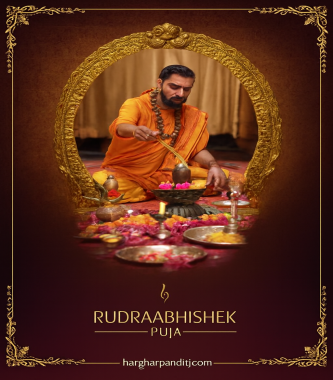
Rudrabhishek Puja

Rudrabhishek is a powerful Vedic Hindu ritual of bathing the Shiva Lingam (symbol of Lord Shiva) with sacred substances like milk, honey, gh... Read More
Rudrabhishek is a powerful Vedic Hindu ritual of bathing the Shiva Lingam (symbol of Lord Shiva) with sacred substances like milk, honey, ghee, and Panchamrit while chanting powerful mantras, especially from the Rig Veda's Sri Rudam READ LESS
View Full Description
Book this Puja

🔱 Significance

Rudraabhishek Puja is a sacred Vedic ritual performed to honor Lord Shiva in his Rudra form. It is known to:

Remove obstacles and negative energies

Promote health, peace, and prosperity

Fulfill desires and bring spiritual upliftment

Be especially powerful during Shravan month, Mondays, Maha Shivratri, or personal milestones


🪔 Required Items (Samagri)

Shiva Lingam

Bel leaves, milk, curd, ghee, honey, Gangajal

Sandalwood paste, sacred ash (bhasma), flowers, incense sticks, oil lamp

Fruits, sweets, coconut, betel nuts

Rudraksha mala, water pot (kalash), yellow cloth


📿 Puja Procedure (Step-by-Step)

Purification: Cleanse the space and yourself.

Invocation & Sankalp: Meditate on Lord Shiva and take a vow to perform the puja.

Abhishek Ritual: Sequentially pour water, milk, curd, ghee, honey, and Gangajal over the Shiva Lingam.

Bel Leaf Offering: Offer each leaf while chanting “Om Namah Shivaya”.

Flower & Lamp Offering: Decorate the Lingam with flowers and light incense and lamp.

Chanting: Recite Rudra Ashtadhyayi or Maha Mrityunjaya Mantra.

Aarti & Prasad: Perform Shiva Aarti and distribute prasad.


🔊 Powerful Mantras

1. Om Namah Shivaya


The core five-syllable mantra of Lord Shiva.


2. Maha Mrityunjaya Mantra


Om Tryambakam Yajamahe Sugandhim Pushtivardhanam Urvarukamiva Bandhanan Mrityor Mukshiya Maamritat


3. Rudra Ashtadhyayi (Optional)

A powerful Vedic chant from Yajurveda, often recited by priests during Rudraabhishek.


📌 Tips for Devotees

Maintain a calm and clean environment during the puja.

Avoid distractions like mobile phones.

For best results, consult a qualified priest or book a guided puja service.

We offer:

Online Rudraabhishek Booking

Home/Office Puja Setup

Live Puja Streaming

Customized Puja Kits

reviews up comming

Griha Pravesh Puja

Performed before moving into a new house to purify the space and protect it from negative energies.... Read More
Performed before moving into a new house to purify the space and protect it from negative energies. READ LESS
View Full Description
Book this Puja

Here’s a complete English content package for your website hargharpanditji.com focused on Griha Pravesh Puja — including description, benefits, step-by-step vidhi, and mantras. Ideal for your homepage, service section, or booking page.


🏠 Griha Pravesh Puja – Sacred Housewarming Ceremony

Griha Pravesh Puja is a traditional Vedic ritual performed before entering a new home to purify the space and invoke divine blessings. It marks the spiritual beginning of life in a new dwelling, ensuring peace, prosperity, and protection for the family.


🔱 Why Perform Griha Pravesh Puja?

Removes negative energies and Vastu doshas

Invites blessings of health, wealth, and happiness

Aligns the home with positive cosmic vibrations

Ensures protection from evil forces and misfortune

Ideal for new constructions, renovations, or moving into a rented home


🪔 Puja Vidhi (Step-by-Step Procedure)

Shubh Muhurat Selection: Choose an auspicious date and time based on Vedic astrology.

Kalash Sthapana: Place a sacred water pot with mango leaves and coconut at the entrance.

Ganapati Puja: Invoke Lord Ganesha to remove obstacles.

Vastu Shanti Puja: Perform rituals to harmonize the five elements and pacify planetary influences.

Navagraha Puja: Worship the nine planets for balance and blessings.

Havan (Fire Ritual): Offer herbs and ghee into the sacred fire while chanting mantras.

Milk Boiling Ritual: Boil milk in the new kitchen to symbolize abundance.

Aarti & Prasad: Conclude with devotional songs and distribution of sacred offerings.


📿 Powerful Mantras

1. Ganapati Mantra

ॐ गं गणपतये नमः॥ Om Gam Ganapataye Namah

2. Vastu Shanti Mantra

ॐ वास्तोष्पते प्रतिज्ञा यथाहं विश्वेदेवाः। Om Vastoshpate Pratijna Yathaham Vishwedevah

3. Navagraha Mantra

ॐ आदित्याय च सोमाय मङ्गलाय बुधाय च। गुरु शुक्र शनिभ्यश्च राहवे केतवे नमः॥

4. Lakshmi Mantra for Prosperity

ॐ श्रीं महालक्ष्म्यै नमः॥ Om Shreem Mahalakshmyai Namah

🌐 Service Details for hargharpanditji.com

Puja Duration: 2 to 3 hours

Location Options: Home, Apartment, Office, Online

Pandit Booking: Certified Vedic Pandits with personalized Sankalp

Inclusions: Puja Samagri, Kalash, Havan Kund, Mantra Chanting

Online Booking: WhatsApp, Call, or Website Form

Languages Available: Hindi, English,

reviews up comming
HealingGuruji

HarGharPandit Ji is an online platform facilitating the booking of puja ceremonies. Users can easily search for pujas by city and type, browse detailed descriptions, and book services with verified pandits. The app aims to provide a seamless and trustworthy experience for spiritual service bookings.

 
Quick Links

© 2026 HarGharPandit Ji. All rights reserved.