Spiritual Meaning and Benefits of Navratri
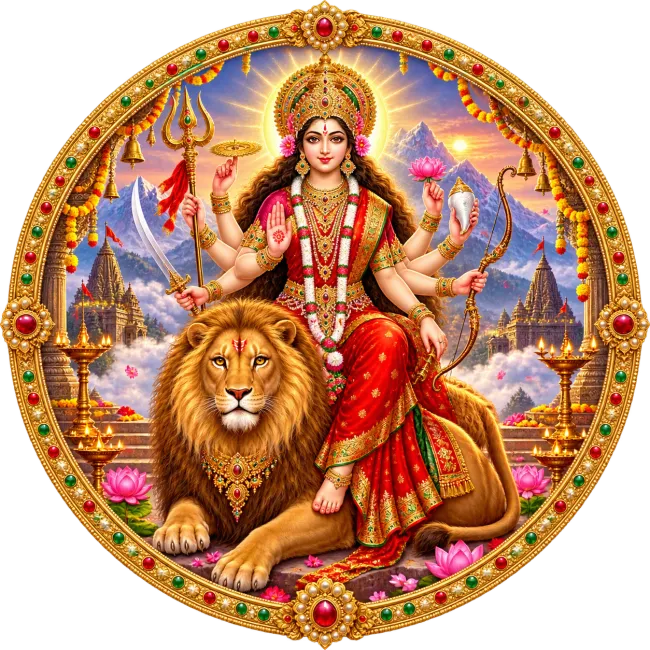
Navratri is one of the most sacred and spiritually significant festivals in Hinduism. Celebrated over nine nights and ten days, it is dedicated to Maa Durga and her nine divine manifestations, collectively known as Navadurga. Although the festival is marked by fasting, prayers, devotional songs, Garba, Dandiya, and traditional rituals, its deeper purpose is the purification of the mind, awakening of inner strength, and transformation of human consciousness.
Spiritually, Navratri represents the victory of divine energy over negativity, wisdom over ignorance, courage over fear, and righteousness over evil. The battle between Maa Durga and Mahishasura is not merely an external story; it symbolizes the inner struggle experienced by every individual. Mahishasura represents negative qualities such as anger, greed, jealousy, ego, fear, laziness, attachment, and uncontrolled desires, while Maa Durga represents the divine strength required to overcome them.
Each day of Navratri is associated with a particular form of Goddess Durga and teaches a unique spiritual lesson. Through fasting, prayer, mantra chanting, meditation, self-discipline, and sattvic living, devotees attempt to cleanse their bodies, calm their minds, and develop qualities such as patience, compassion, confidence, purity, and wisdom. The festival reminds us that the Divine Mother resides within every living being and that her energy can be awakened through sincere devotion and righteous conduct.
Navratri offers numerous spiritual and emotional benefits. It strengthens faith, improves self-control, creates mental clarity, and fills life with positive energy. It encourages devotees to leave harmful habits, forgive others, practise gratitude, and begin a new chapter with a purified heart. The greatest benefit of Navratri is not only the fulfilment of material wishes but the discovery of inner peace, spiritual awareness, and a deeper connection with the Divine.
The word “Navratri” is derived from two Sanskrit words: Nav, meaning nine, and Ratri, meaning night. These nine sacred nights are devoted to the worship of Shakti, the universal divine energy responsible for creation, preservation, and transformation. In Hindu philosophy, Maa Durga is regarded as the embodiment of power, courage, protection, compassion, and wisdom.
The darkness of night spiritually represents ignorance, confusion, fear, and the hidden weaknesses of the mind. The worship performed during these nights symbolizes the gradual removal of this inner darkness. As devotees progress through the nine days of Navratri, they move symbolically from impurity to purity, weakness to strength, restlessness to peace, and ignorance to spiritual knowledge.
Navratri is therefore not limited to external worship. It is an opportunity to look within, examine one’s thoughts and actions, and identify the qualities that prevent spiritual growth. The festival inspires devotees to control anger, reduce ego, overcome fear, avoid negative thinking, and develop a disciplined and compassionate way of living.
The Inner Meaning of Maa Durga’s Victory
The victory of Maa Durga over the demon Mahishasura is one of the central themes of Navratri. Spiritually, Mahishasura represents the uncontrolled ego and negative tendencies that constantly change their form within the human mind. Sometimes these tendencies appear as anger, sometimes as greed, jealousy, pride, attachment, fear, or selfishness.
Maa Durga’s victory teaches that negative tendencies can be overcome through faith, courage, wisdom, discipline, and divine grace. It also reminds devotees that true strength is not only physical power. Real strength is the ability to remain calm during difficulties, choose righteousness over convenience, forgive others, control harmful desires, and continue moving forward with faith.
Thus, the real celebration of Navratri takes place when a person begins defeating the negative forces within and allows divine qualities to guide their thoughts, words, and actions.
Spiritual Meaning of the Nine Forms of Maa Durga
Each form of Navadurga represents a specific stage in the devotee’s spiritual journey:
- Maa Shailputri represents stability, purity, and a strong spiritual foundation. Her worship inspires devotees to remain grounded and begin their spiritual journey with faith.
- Maa Brahmacharini represents penance, discipline, patience, and devotion. She teaches that spiritual success requires consistency, self-control, and sincere effort.
- Maa Chandraghanta represents courage, alertness, and inner peace. Her worship helps devotees face difficulties without losing emotional balance.
- Maa Kushmanda represents creativity, positive energy, and the divine force behind the universe. She inspires devotees to spread hope, happiness, and light.
- Maa Skandamata represents motherhood, compassion, protection, and selfless love. Her worship encourages kindness and emotional purity.
- Maa Katyayani represents determination, bravery, and the destruction of injustice. She gives devotees the strength to overcome obstacles and stand for truth.
- Maa Kalaratri represents the removal of fear, darkness, and negative energies. She teaches that courage and faith can protect a person during the most challenging phases of life.
- Maa Mahagauri represents purity, forgiveness, peace, and spiritual cleansing. Her worship inspires devotees to release past negativity and adopt a peaceful lifestyle.
- Maa Siddhidatri represents wisdom, spiritual accomplishment, and divine fulfilment. She symbolizes the completion of the devotee’s inner journey and the attainment of higher awareness.
Together, these nine forms guide a devotee from basic faith and discipline toward purity, wisdom, and spiritual awakening.
Importance of Fasting During Navratri
Fasting during Navratri is not merely about avoiding certain foods. Its deeper purpose is to develop control over the senses and reduce dependence on material pleasures. A genuine fast includes purity of food, speech, thoughts, behaviour, and intentions.
Devotees generally consume light and sattvic food during Navratri. This simplicity may help the body feel lighter and support concentration during prayer and meditation. However, spiritual fasting also means avoiding anger, dishonesty, criticism, jealousy, harsh speech, and harmful habits.
When fasting is observed with devotion and proper discipline, it can strengthen willpower and create greater awareness of one’s habits. It encourages devotees to distinguish between genuine needs and uncontrolled desires. In this way, fasting becomes a powerful practice of physical purification, mental discipline, and spiritual growth.
Importance of Prayer, Meditation and Mantra Chanting
Prayer and mantra chanting are essential parts of Navratri worship. Mantras dedicated to Maa Durga help devotees concentrate their minds and direct their emotions toward the Divine. Regular chanting creates a devotional environment and may provide mental peace, emotional stability, and spiritual confidence.
Meditation during Navratri allows devotees to observe their thoughts without becoming controlled by them. It helps reduce mental restlessness and creates a sense of inner silence. Reciting the Durga Saptashati, Durga Chalisa, Devi Kavach, Argala Stotram, Keelak Stotram, or simple Durga mantras can strengthen faith and deepen devotion.
However, these sacred prayers should be recited with respect, proper understanding, and, where required, guidance from a knowledgeable priest or spiritual teacher.
Spiritual Benefits of Navratri
Navratri can bring several spiritual benefits when observed with sincerity:
- It strengthens faith and devotion toward Maa Durga.
- It encourages the purification of thoughts, emotions, and intentions.
- It develops self-control, patience, and discipline.
- It helps devotees recognise and overcome negative habits.
- It inspires courage while facing personal and professional challenges.
- It promotes forgiveness, kindness, compassion, and gratitude.
- It provides an opportunity for meditation and self-reflection.
- It encourages a sattvic and balanced lifestyle.
- It deepens the connection between the devotee and the Divine.
- It supports the journey from material attachment toward spiritual awareness.
The festival teaches that spiritual progress begins when a person takes responsibility for their thoughts and actions. Through devotion and self-discipline, Navratri becomes a period of genuine inner transformation.
Message from Har Ghar Pandit Ji
According to Har Ghar Pandit Ji, Navratri should not be observed only through external rituals. The true purpose of the festival is fulfilled when worship creates a positive change in a devotee’s thoughts, habits, relationships, and behaviour.
Devotees are advised to begin each day with cleanliness, a peaceful mind, and a sincere Sankalp. The place of worship should be kept clean, and prayers should be performed according to one’s capacity. Expensive offerings are not necessary because Maa Durga is pleased by purity of heart, devotion, discipline, and good conduct.
Har Ghar Pandit Ji suggests that devotees should avoid anger, harsh speech, dishonesty, unnecessary criticism, intoxication, and disrespectful behaviour during Navratri. Special attention should be given to respecting women, serving parents and elders, feeding the needy, caring for animals, and helping people who require support.
If a devotee is unable to observe a complete fast because of health, age, pregnancy, medication, or work-related reasons, they should not feel guilty. They may worship Maa Durga through simple sattvic food, mantra chanting, Aarti, meditation, charity, and sincere devotion. Health should not be ignored in the name of fasting.
Devotees who wish to perform Ghatasthapana, Durga Saptashati Path, Havan, Kanya Pujan, or special Navratri Anushthan should follow the appropriate method and auspicious timings. When the procedure is unclear, guidance from a qualified Pandit Ji can help ensure that the worship is performed respectfully and according to tradition.