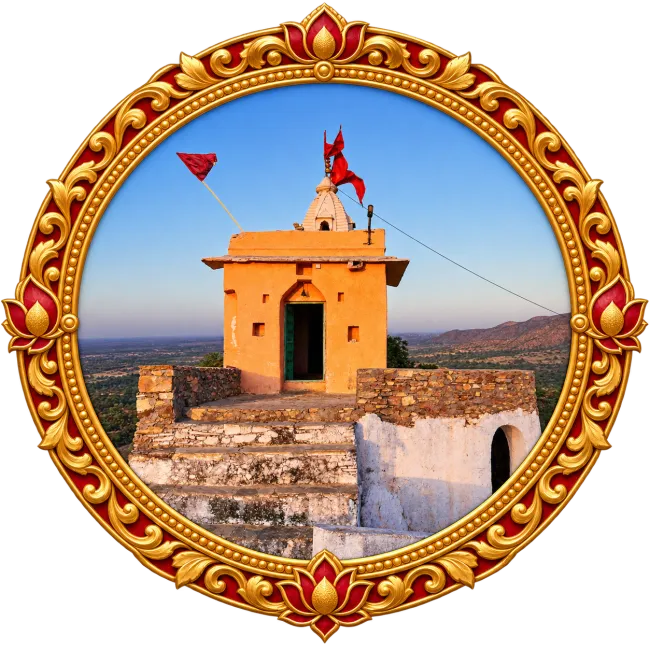
Pap Mochini Temple, Pushkar
Visit Pap Mochini Temple in Pushkar, a peaceful hilltop shrine associated with Goddess Gayatri and Ekadashi Mata. Situated on a hill in the northern part of Pushkar, the temple is known for its belief of providing spiritual purification, its association with the Mahabharata, quiet surroundings and panoramic views of Pushkar Lake and the Aravalli Hills.
About Pap Mochini Temple Pushkar
Pap Mochini Temple, also written as Pap Mochani Temple or Paap Mochini Temple, is an important Hindu shrine situated on a small hill in northern Pushkar, Rajasthan. The temple is commonly associated with Goddess Gayatri and is also described by Rajasthan Tourism as being presided over by Ekadashi Mata.
The name “Pap Mochini” is formed from two Sanskrit words:
- “Pap” means sin or negative karma.
- “Mochini” means one who provides liberation or relief.
The name therefore refers to the divine power that helps devotees seek forgiveness, purification and freedom from the burden of past actions.
Unlike the crowded market area surrounding Brahma Temple, Pap Mochini Temple offers a quieter spiritual experience. Visitors must complete a short uphill walk to reach the shrine. The temple premises provide beautiful views of Pushkar town, the lake, surrounding hills and the desert landscape.
Pap Mochini Temple and Gayatri Mata Temple
Pap Mochini Temple is commonly identified with the hilltop Gayatri Mata Temple in Pushkar. Local traditions associate the shrine with Goddess Gayatri, while Rajasthan’s tourism information describes Ekadashi Mata as its presiding deity.
These identities are connected through the temple’s central spiritual purpose—helping devotees seek purification, forgiveness and liberation from negative karma.
Visitors asking for directions can use either of these names:
- Pap Mochini Temple
- Pap Mochani Temple
- Gayatri Mata Temple
- Gayatri Temple on Nilgiri Hill
It should not be confused with the Gayatri Shakti Peeth located on Vaam Dev Road, which is a separate religious establishment.
History of Pap Mochini Temple
Pap Mochini Temple forms part of Pushkar’s ancient sacred landscape. Pushkar has been mentioned in the Ramayana, Mahabharata and various Puranic traditions as an important place for penance, pilgrimage and spiritual purification.
The temple’s history is primarily preserved through religious traditions and local beliefs. Its location on an isolated hill suggests that it was established as a place for meditation, prayer and penance away from the busy settlement.
Over time, the shrine became associated with Goddess Gayatri, Ekadashi Mata and the concept of freedom from serious sins. Saints, pilgrims and spiritual seekers visited the hill to pray, meditate and seek peace.
The temple has been maintained and developed through the contributions of devotees and local religious communities. Pathways and stone steps now provide access, but the shrine retains the peaceful character of a traditional hill temple.
Legend of Ashwatthama
Pap Mochini Temple is associated with Ashwatthama, one of the prominent warriors in the Mahabharata.
Ashwatthama was the son of Guru Dronacharya. During the final stage of the Kurukshetra war, he entered the Pandava camp at night and killed several sleeping warriors, including the sons of the Pandavas.
He later used the powerful Brahmastra weapon during his conflict with the Pandavas. According to tradition, Lord Krishna cursed Ashwatthama to wander the Earth in suffering because of his actions.
A popular local belief states that Ashwatthama came to Pushkar and worshipped at this sacred site to seek forgiveness and relief from his sins. This association strengthened the temple’s reputation as a place where devotees perform penance and pray for spiritual liberation.
The story conveys that true purification requires acceptance of one’s actions, sincere repentance and a commitment to righteous conduct.
Connection with Goddess Gayatri
According to Pushkar’s most famous legend, Lord Brahma selected the area for a sacred yajna. His first consort, Goddess Savitri, did not arrive before the auspicious time for the ritual.
To begin the yajna at the prescribed moment, Lord Brahma married Goddess Gayatri and performed the ceremony with her. When Savitri arrived, she became angry and cursed Brahma that he would not be widely worshipped.
Goddess Gayatri subsequently blessed Pushkar and reduced the severity of several curses pronounced during the incident. She therefore represents wisdom, compassion, sacred knowledge and the power to transform negative consequences.
The Gayatri Mata form worshipped at Pap Mochini Temple is associated with the Vedas, spiritual knowledge, purity and the removal of ignorance.
Religious Significance
Pap Mochini Temple is visited by devotees seeking forgiveness and freedom from past mistakes. Worshippers believe that sincere prayer at the shrine helps purify the mind and encourages them to follow a more righteous path.
The temple is considered important for:
- Spiritual purification
- Forgiveness for past mistakes
- Relief from negative karma
- Peace of mind
- Freedom from guilt and anxiety
- Wisdom and clarity
- Protection from negative influences
- Strength to overcome harmful habits
- Progress in meditation
- Family peace and prosperity
The temple’s hilltop location creates a peaceful environment where devotees can meditate without the noise and crowds found in central Pushkar.
Religious teachings emphasise that visiting a temple cannot replace personal responsibility. Prayer should be accompanied by sincere repentance, ethical conduct and positive action.
Architecture of Pap Mochini Temple
Pap Mochini Temple follows a simple Rajasthani hill-shrine design. Its architecture is less elaborate than Brahma Temple or Rangji Temple, but its peaceful surroundings and elevated position give it a distinctive identity.
Hilltop Structure
The temple stands on a small hill commonly identified as Nilgiri Hill. It is lower and easier to climb than Ratnagiri Hill, where Savitri Mata Temple is situated.
Main Sanctum
The main sanctum houses the presiding goddess. The deity is decorated with colourful cloth, flowers, garlands, sindoor and ornaments.
Prayer Hall
A modest prayer space allows devotees to sit, chant mantras and offer prayers. The limited size of the shrine helps maintain a calm and intimate atmosphere.
Rajasthani Elements
The temple incorporates traditional regional features such as stonework, arches, a raised sanctum and a modest shikhara.
Scenic Viewpoint
The temple premises provide views of:
- Pushkar Lake
- Pushkar town
- Brahma Temple area
- Ratnagiri Hill
- Savitri Mata Temple
- Aravalli Hills
- Surrounding desert landscape
Sunrise and sunset are particularly beautiful from the hill.
Pap Mochini Temple Timings
The temple follows separate morning and evening darshan sessions.
Since this is a smaller hill shrine, the ceremony schedule may be changed according to daylight, the season and the availability of the priest. The schedule displayed at the temple is treated as final for that day.
Best Time for Darshan
The best time to visit Pap Mochini Temple is between 5:30 AM and 9:00 AM. Morning weather is pleasant, and the route remains comfortable for walking.
Visitors interested in sunset views can begin climbing between 4:30 PM and 5:30 PM. Enough daylight should be kept for the return journey because parts of the pathway may have limited lighting.
October to March is the most comfortable season. Summer afternoons should be avoided because Pushkar experiences intense heat.
A weekday morning is ideal for devotees seeking a quiet atmosphere for prayer and meditation.
Route and Hill Climb
Pap Mochini Temple can be reached through a walking track behind the Pushkar or Marwar Bus Stand area. The climb generally takes between 20 and 30 minutes, depending on physical fitness.
The route includes:
- Stone steps
- Rocky sections
- Uneven surfaces
- Gradual and moderately steep slopes
There is no regular ropeway to Pap Mochini Temple. Visitors must complete the journey on foot.
Climbing Tips
- Wear comfortable shoes with a proper grip.
- Carry drinking water.
- Begin the climb during daylight.
- Avoid the afternoon heat.
- Do not leave the marked path.
- Keep children under supervision.
- Carry only necessary items.
- Do not leave plastic or food waste.
- Start descending before dark.
- Avoid climbing alone late in the evening.
Senior citizens and people with knee, breathing or mobility difficulties should assess the pathway before beginning the climb.
Daily Puja and Aarti
Daily worship at Pap Mochini Temple includes:
- Cleaning and decoration of the deity
- Flower and garland offerings
- Morning prayers
- Gayatri Mantra chanting
- Morning aarti
- Presentation of bhog
- Evening prayers
- Sandhya Aarti
- Closing prayer
Devotees frequently recite the Gayatri Mantra:
“Om Bhur Bhuvah Swah
Tat Savitur Varenyam
Bhargo Devasya Dheemahi
Dhiyo Yo Nah Prachodayat.”
The prayer seeks divine guidance, wisdom and illumination of the intellect.
Some devotees also observe Ekadashi fasting and offer special prayers at the temple.
Major Festivals Celebrated
Pap Mochani Ekadashi
Pap Mochani Ekadashi is the most relevant spiritual occasion associated with the temple’s name and purpose. Devotees observe fasting, worship Lord Vishnu and pray for purification from negative karma.
Navratri
Both Chaitra Navratri and Sharad Navratri are celebrated with special worship of the Goddess. Devotees offer chunri, flowers, coconut and sweets.
Gayatri Jayanti
Gayatri Jayanti celebrates the appearance and divine knowledge of Goddess Gayatri. Gayatri Mantra chanting and special prayers are organised.
Kartik Purnima
Kartik Purnima is Pushkar’s largest pilgrimage occasion. Devotees bathe in Pushkar Lake and visit Brahma Temple, Savitri Temple, Pap Mochini Temple and other shrines.
Guru Purnima
Devotees honour spiritual teachers and pray for knowledge, wisdom and guidance.
Full-Moon Days
Purnima is considered an auspicious occasion for prayer, meditation and Gayatri Mantra chanting.
Offerings and Prasad
Devotees may offer:
- Red chunri
- Flowers and garlands
- Coconut
- Fruits
- Sweets
- Sindoor
- Incense
- Ghee for lamps
- Sacred thread
- Donations
Visitors should avoid carrying excessive plastic packaging because all waste must be taken back down the hill.
Prasad distribution depends on the temple’s daily arrangements. Devotees may carry a small quantity of fruit or sweets as an offering.
Entry Fee and Visit Duration
There is no entry fee for visiting Pap Mochini Temple.
Visitors who want to meditate or enjoy the hilltop views may require additional time.
How to Reach Pap Mochini Temple
The temple is located in northern Pushkar and is approached from a pathway near the bus stand area.
From Pushkar Bus Stand
The base of the hill is situated close to Pushkar Bus Stand. Visitors can ask local residents for the Pap Mochini or Gayatri Mata hill route.
The final journey must be completed on foot.
By Air
Kishangarh Airport is approximately 40–45 kilometres from Pushkar. Taxis are available from the airport.
Jaipur International Airport is approximately 145 kilometres away and offers wider connectivity.
By Train
Ajmer Junction is the nearest major railway station, approximately 14–16 kilometres from Pushkar.
Buses, taxis and shared vehicles operate regularly between Ajmer and Pushkar.
By Bus
Regular buses connect Ajmer with Pushkar. The temple’s walking route begins close to the Pushkar Bus Stand area.
By Road
Private cars and taxis can reach Pushkar. Vehicles should be parked near an authorised parking area before beginning the hill climb.
Nearby Places to Visit
Brahma Temple
Jagatpita Brahma Temple is Pushkar’s most prominent shrine and one of India’s principal temples dedicated to Lord Brahma.
Pushkar Lake
The sacred lake is surrounded by numerous ghats used for bathing, ancestral rituals and evening aarti.
Savitri Mata Temple
Savitri Mata Temple is situated on the higher Ratnagiri Hill and can be reached by steps or ropeway.
Varaha Temple
Varaha Temple is an important historic shrine dedicated to Lord Vishnu’s Varaha incarnation.
Rangji Temple
Old Rangji Temple combines South Indian, Rajput and Mughal architectural styles and is dedicated to Lord Vishnu.
Atmateshwar Mahadev Temple
Atmateshwar Mahadev is a sacred Shiva temple known for its underground sanctum.
Pushkar Market
Pushkar Market offers religious items, textiles, jewellery, handicrafts and rose-based products.
Visitor Guidelines
- Wear modest and comfortable clothing.
- Use footwear suitable for a rocky hill path.
- Carry drinking water.
- Complete the journey during daylight.
- Remove footwear before entering the shrine.
- Maintain silence during puja and meditation.
- Follow photography restrictions.
- Do not litter on the hill.
- Do not damage plants or rock formations.
- Keep children under supervision.
- Avoid isolated pathways.
- Use authorised counters for donations.
- Do not climb during extreme heat or heavy rain.
- Descend before the pathway becomes dark.
Conclusion
Pap Mochini Temple is one of Pushkar’s most peaceful and spiritually meaningful hill shrines. Associated with Goddess Gayatri, Ekadashi Mata and the concept of liberation from negative karma, the temple offers devotees a place for prayer, repentance and inner reflection.
Its association with Ashwatthama’s search for forgiveness adds to its mythological significance. The short hill climb, quiet atmosphere and panoramic views of Pushkar make the experience both devotional and memorable.
Visitors seeking a less crowded alternative to Pushkar’s principal temples can visit Pap Mochini Temple for worship, meditation and scenic views. When combined with Brahma Temple, Pushkar Lake, Savitri Mata Temple and Rangji Temple, it provides a deeper understanding of Pushkar’s sacred landscape.